

 18
18 0
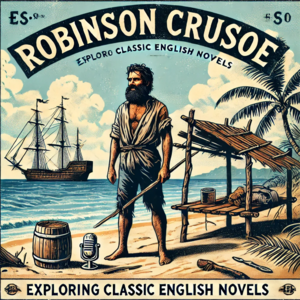
0The dialogue delves into the enduring appeal of the classic story of Robinson Crusoe, attributing its lasting impact to its profound exploration of survival, risk-taking, and the essence of human nature. This narrative is celebrated for depicting Crusoe's trials on a desolate island as a metaphor for broader historical and societal trends, underscoring the universal relevance of his experiences. Through Crusoe's evolution from mere survivor to entrepreneur, involved in activities such as farming, pottery, and baking, the discussion illuminates his remarkable resourcefulness and connection to economic principles. His story serves as a prime example of 'homo economicus,' embodying the drive towards self-sufficiency and wealth accumulation. Moreover, the dialogue touches upon deeper thematic concerns including the valuation of possessions, the fear of the unknown, and the quest for meaningful connections. These elements challenge societal norms and provoke contemplation on what genuinely matters in existence, thereby making Crusoe's journey a timeless reflection on the human condition.
00:00 Robinson Crusoe: A Timeless Tale of Survival and Self-DiscoveryThe dialogue discusses Robinson Crusoe as a classic tale that resonates across generations due to its exploration of survival, risk-taking, and human nature. It highlights how Crusoe's experiences on a deserted island serve as a microcosm for larger historical and societal trends, emphasizing the universality of his struggles and the timeless relevance of his journey.
02:46 Robinson Crusoe: Island EntrepreneurshipThe dialogue explores how Crusoe's survival on the island evolves into a form of entrepreneurship, engaging in agriculture, pottery, and baking. It highlights his resourcefulness and connection to economic theories, particularly emphasizing his role as an embodiment of 'homo economicus.'
04:08 Robinson Crusoe: A Human Journey Beyond WealthThe dialogue reflects on themes of value, fear of the unknown, and the search for connection, exploring how Crusoe's experiences challenge societal norms and encourage readers to consider what truly matters in life.
Man:He delves into the multifaceted layers of Daniel Defoe's "Robinson Crusoe," urging us to look beyond its adventure narrative to explore deeper themes of survival, resilience, morality, and the search for meaning. The speaker challenges preconceptions of Crusoe as merely a survivor, highlighting instead his evolution into a figure emblematic of human adaptability and innovation. By detailing Crusoe's construction of a rudimentary society, including agricultural and domestic achievements, He underlines the protagonist's remarkable abilities and the consequential impact on our understanding of human potential. The introduction of Friday not only enriches the narrative with elements of power dynamics and cultural exchange but also prompts a reevaluation of themes like ethics, societal organization, and human interaction.Central to He's discourse is the book's capacity to provoke philosophical inquiry into personal conduct, community formation, and the confrontation with the unknown. Encouraging empathy and collaboration, He invites readers to contemplate how they would navigate analogous situations, thereby fostering a reflective consideration of one's values and the collective ethos necessary for thriving in any milieu. Ultimately, He challenges listeners to ponder the indelible mark each person would make if cast alone on a desert island, encapsulating the universal quest for significance and connection amidst solitude and adversity.
Woman:He discusses the enduring appeal of "Robinson Crusoe," emphasizing its continued relevance across generations through various analyses, including historical, psychological, and economic perspectives. Highlighting Defoe’s portrayal of Crusoe, He notes the character’s rebellion against his father and pursuit of fortune, capturing the era's risk-taking spirit. The speaker appreciates Defoe’s ability to immerse readers in Crusoe’s experiences, making the story universally relatable through the protagonist’s daily struggles and inventive solutions. They also explore the novel's economic implications, connecting Crusoe's resource management to economic theories like Homo economicus. An amusing yet insightful moment is discussed where Crusoe prefers turnip seeds to gold, prompting reflections on material versus intangible values. Furthermore, the narrative's examination of Crusoe’s encounters with isolation and the unknown delves into psychological aspects, emphasizing the novel's rich commentary on human nature. Lastly, He underscores "Robinson Crusoe" as a timeless exploration of humanity, addressing fundamental questions about existence and connection, thereby establishing its significance beyond its historical and colonial contexts.
