

 53
53 0
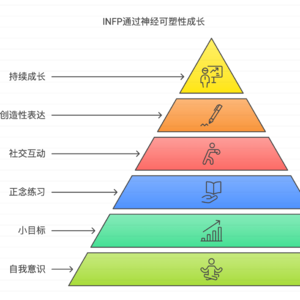
0深入探讨了INFP如何利用神经可塑性来激发自身潜能。强调了神经可塑性的重要性,解释了大脑如何通过经验和行动不断重塑。通过具体的例子,如伦敦出租车司机的空间记忆能力,演讲展示了大脑的适应性和可变性。最后,演讲提供了实用的建议,如积极自我对话和小胜利的重要性,帮助INFP在日常生活中应用这些理论。
🧠神经可塑性简介
- 神经可塑性的定义: 神经可塑性意味着大脑不是静态的,它可以通过经验和输入不断重塑和适应。🔊00:45
- 大脑如同肌肉: 大脑可以像肌肉一样,通过不断的训练和输入来改变和增强。🔊00:45
- 自我意识与大脑发展: INFP可以利用自我意识来做出选择,从而影响大脑的发展。🔊00:45
🚖伦敦出租车司机的例子
- 空间记忆的变化: 伦敦出租车司机的海马体(负责空间记忆的部分)比普通人更大,展示了大脑的适应性。🔊01:45
- 经验对大脑的影响: 大脑的物理变化是由他们的经验和所做的事情引起的。🔊01:45
- 神经可塑性如同心理锻炼: 神经可塑性可以看作是一种心理锻炼,通过有意识的行动来增强大脑。🔊01:45
🧩思维与大脑塑造
- 思维如同雕刻家: 每一个思维和选择都在塑造大脑,即使我们没有意识到。🔊02:45
- 负面思维的影响: 反复想象最坏的情况或重播过去的错误会强化负面的神经路径。🔊02:45
- 重新塑造负面路径: 通过积极的自我对话和挑战负面思维,可以重新塑造这些负面路径。🔊03:20
💬积极自我对话
- 积极自我对话的作用: 积极自我对话可以在大脑中创造物理变化,帮助重新塑造神经路径。🔊03:20
- 从批评者到支持者: 将自我对话从批评转变为支持,可以成为INFP的游戏规则改变者。🔊03:20
- 衡量进展的线索: 进展的线索包括更快地从挫折中恢复、在某些领域感到更自信或整体上感到更平和。🔊03:20
🏆行动与环境
- 行动的重要性: 不仅要积极思考,还要采取行动,通过重复的经验来巩固神经路径。🔊04:20
- 小胜利的力量: 专注于小胜利,每一步前进都能强化与成长和韧性相关的路径。🔊05:00
- 支持性环境: 创造一个支持成长的环境,如积极的影响和激励自己的事物,可以形成正反馈循环。🔊06:00
Ready to unlock some serious brainpower.
How do we take those strengths and, you know, turn them into superpowers? I'm listening, that's where neurocplaity comes in, OK? So often we think about our brains as like.
Fixed, right? Like you're born with this and that's it.
Part of the brain responsible for spatial memory.
Often have these really rich inner world's vivid imaginations.
Break free and start sculpting something more positive.
Things changing that neural landscape.
Let's be honest, can be a little more sensitive to setbacks.
Imagine surrounding yourself with other artists, writers, musicians, you know, people who get you, share your passions and inspire you to grow.
Understanding INFP Potential and Neuroplasticity
Quiz
Instructions: Answer the following questions in 2-3 sentences based on the provided text.
- According to the text, how does neuroplasticity challenge the idea that we are limited by our pre-determined nature?
- How is the analogy of the London taxi driver's hippocampus relevant to understanding INFP potential?
- Explain the meaning of the phrase "introspection should not be an excuse for self-limitation."
- What connection does the text draw between INFP idealism and neuroplasticity?
- How does the text suggest that even small actions can lead to significant personal growth?
- What is the significance of the statement "We are the product of our thoughts"?
- How can creative expression contribute to neuroplasticity, particularly for INFPs?
- Why is it important for INFPs to challenge their self-imposed labels, according to the text?
- What role does empathy play in reshaping our brains, according to the text?
- What is the main message the text conveys about the relationship between INFP traits and personal growth?
Essay Questions
- The text uses several metaphors to explain neuroplasticity. Choose two of these metaphors and analyze how they effectively illustrate the concept and its implications for INFPs.
- How does the text challenge common misconceptions about INFP personality traits? Discuss specific examples and their significance.
- What practical steps can INFPs take to cultivate a more positive and growth-oriented inner dialogue based on the principles of neuroplasticity?
- Discuss the ethical implications of neuroplasticity. If we have the power to reshape our brains, what responsibilities come with that ability?
- In your opinion, what is the most empowering message the text offers to INFPs? Explain your reasoning and provide examples from the text to support your answer.
Glossary
- Neuroplasticity: The brain's ability to change its structure and function throughout life in response to experience and learning.
- INFP: Introverted, Intuitive, Feeling, Perceiving - a personality type characterized by introspection, creativity, empathy, and a strong sense of idealism.
- Hippocampus: A brain region crucial for memory formation, particularly spatial memory and long-term memory consolidation.
- Hebb's Theory: A neuroscientific theory stating that "neurons that fire together, wire together" – meaning that repeated activation of neural pathways strengthens the connections between those neurons.
- Introspection: The examination of one's own thoughts, feelings, and motivations.
- Idealism: The pursuit of noble goals and principles, often accompanied by a strong belief in the possibility of positive change.
- Self-limiting Beliefs: Negative thoughts and assumptions about oneself that restrict personal growth and potential.
- Creative Expression: The act of expressing oneself through various artistic and imaginative mediums, such as writing, music, art, or dance.
- Empathy: The ability to understand and share the feelings of another person.
- Self-Awareness: Conscious knowledge of one's own character, feelings, motives, and desires.
