
 59
59 0
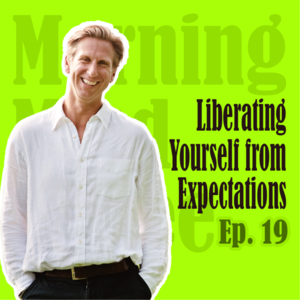
0本期讨论的文章认为,个人的自由来自于放弃追求他人的期望。文章强调,别人对我们生活的关注比我们认为的要少得多,这让我们可以自由地追求自己的道路。作者告诫我们不要与他人进行有害的比较,无论是理想化的版本还是那些被认为不那么成功的人。文章提倡自我接受,优先考虑个人成就而不是外部认可。
.
Main Themes:
- Audience Indifference: The article's central argument is that we spend too much time worrying about others' opinions and judgments, while in reality, they are mostly indifferent to the minutiae of our lives. Haddon argues this realization can be incredibly freeing, allowing us to pursue our authentic paths without the burden of imagined scrutiny.
- Freedom from Expectations: Haddon encourages readers to break free from societal and familial expectations that might hold them back from pursuing their passions and living fulfilling lives.
- The Danger of Comparison: The article highlights the detrimental effects of comparing ourselves to others, particularly in the age of social media, which often presents unrealistic and curated versions of reality.
.
Key Ideas and Facts:
- Limited Attention Span: Haddon uses the metaphor of a movie to illustrate the finite amount of attention others can realistically dedicate to our lives. Even loved ones are preoccupied with their own experiences, leaving minimal time for scrutinizing our every move.
- Internalized Expectations: We often project our insecurities and assumptions onto others, imagining judgments that might not exist. Haddon uses the example of paternal expectations, where individuals feel pressure to conform to their fathers' ideals even without direct communication.
- Misguided Measures of Success: Social media and societal pressures can lead us to prioritize external validation, such as wealth, fame, and appearances, over genuine happiness and fulfillment.
- The "Hybrid Superperson" Fallacy: We often create unrealistic standards by comparing ourselves to an amalgam of idealized traits from different people, setting ourselves up for disappointment and self-doubt.
.
Supporting Quotes:
- "The truth is, in the nicest possible sense, no one else gives a 谢特. We become too caught up thinking about what others would think. We worry about what we should do. We hold on tight to a version of ourselves that we think is expected."
- "Once we accept that we are on our own, far from creating loneliness, it can free us up to take our 'maverick path,' to really figure out what makes us tick."
- "Stop comparing your insides to someone else's outsides."
- "Social media has turbocharged this insidious game of comparison and instead of liberating us, it ties us to these misperceptions of what 'good' looks like."
.
Conclusion:
Haddon encourages a shift in perspective, urging readers to embrace the liberating reality of audience indifference. By shedding the weight of imagined scrutiny and societal expectations, individuals can pursue authentic paths, prioritize personal fulfillment over external validation, and resist the pitfalls of comparison.
