
 2
2 0
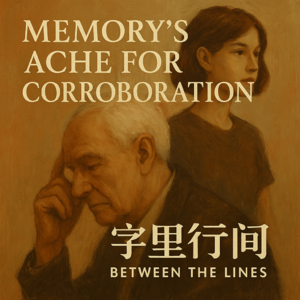
0This episode explores Julian Barnes' novel The Sense of an Ending, focusing on the unreliability of memory and how we construct personal narratives. The hosts discuss how the protagonist, Tony Webster, confronts contradictions in his past, revealing how memory can distort reality and leave us longing for validation. The conversation also touches on broader themes of history, truth, and the emotional weight of unresolved memories.
- Introduction to the novel’s central theme: memory vs. reality.
- Julian Barnes’ background and writing style.
- Overview of the book’s structure and plot, focusing on Tony’s unreliable recollections.
- The role of external triggers (letters, diaries) in challenging Tony’s narrative.
- Memory as self-protection and the "ache of missing corroboration."
- Adrian’s philosophical perspective on history and memory.
- The unsettling realization that personal truths may never be fully confirmed.
- The novel’s ambiguous ending and its implications for how we process our past.
- Reflection questions for listeners about their own memories and unresolved stories.
Timestamps
The Unverified Memory: A Lingering Uncertainty
The conversation invites listeners to recall a personal memory that remains unconfirmed by others, emphasizing the peculiar mix of doubt and nostalgia such moments evoke. It's like holding a photograph where the edges are slightly blurred—you recognize the scene, but the details feel just out of reach.
Memory's Illusion: How Stories Shape Our Identity
Julian Barnes doesn't just narrate—he dismantles the comforting myth that we're the authors of our own life stories. With surgical precision, his writing exposes memory as a shaky foundation for identity, forcing readers to question how much of 'who we are' is carefully constructed fiction. Like a magician revealing his tricks, Barnes shows how recollection bends reality to serve our need for coherent narratives—even when those narratives might be false.
Julian Barnes: The Analytical Mind Behind the Prose
From journalism to novels, Barnes' career evolution mirrors his writing style—sharp, controlled, and deeply reflective, as if each word is placed under a microscope for precision.
The Power of Brevity: How a Short Novel Leaves a Lasting Impact
At just 150 pages, 'The Sense of an Ending' defies expectations by delivering profound emotional depth—proving that great literature isn't measured in word count but in the lingering whispers that haunt readers long after the final page.
Reflecting on Youth: Tony Webster's Journey Back to School Days
In his 60s, Tony Webster's quiet retirement life contrasts sharply with the vivid memories of his intense youthful friendships, hinting at unresolved connections with two pivotal figures from his past.
历史的脆弱性:记忆与记录的缺陷
Adrian的这句话揭示了历史的本质——它是记忆的不完美与记录的不充分相遇时的产物。这句话既优雅又精确,却透露出对人类认知能力的根本性绝望。它暗示着,即使是像历史这样宏大的叙事,也是摇摇欲坠的。因为记忆者和记录者都带有偏见、自我保护意识以及不可靠的记忆,而记录本身也总是不完整、有偏见的。如果历史(包括我们的个人历史)只是这种混乱的组合,我们真的能了解自己的过去吗?
The Shattering of Self: When Reality Challenges Our Narratives
Tony's lifelong belief in being a 'good guy' collapses under the weight of uncovered truths—letters, diaries, and others' memories act like wrecking balls to his carefully constructed identity. This 'violence of narrative' reveals how our self-protective stories can distort reality until external evidence forces a painful reckoning, leaving us to face versions of ourselves we'd buried.
Memory's Fragility: When Truth Undermines Your Life Story
This book doesn't rely on dramatic reveals—it weaponizes quiet doubt. Like a slow-dripping faucet, its questions erode your certainty: Are your cherished memories just polished fictions? What if uncovering the truth doesn't liberate you, but destroys the narrative holding your identity together? The real horror isn't deception—it's realizing you might prefer the lie.
The Uncomfortable Truth: Why We Keep Returning to This Book
The novel's refusal to offer easy answers mirrors life's unresolved mysteries, leaving readers to grapple with the unsettling realization that some truths may forever elude us—just like our own most pivotal moments.
The Illusion of Endings: How We Construct Our Own Truths
Endings aren't about finality but the unsettling realization that confirmation of our stories may never come—truth isn't discovered, it's painstakingly assembled from fragile memories and narratives, then fiercely defended against reality's contradictions.
