

 100
100 0
0Emotional Connection
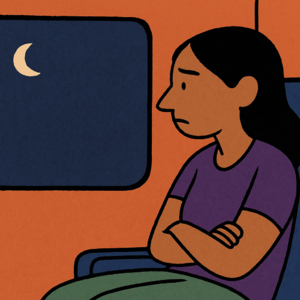
Have you ever had this experience? You’re at a lively gathering, surrounded by people, yet suddenly you feel like an outsider. You scroll through social media and see everyone’s highlight moments, but instead of joy, you feel a little empty. Even when someone is physically next to you, a quiet voice inside whispers: “I feel so alone.”
Loneliness is a deeply universal feeling. It doesn’t choose age or status; it can quietly find its way into anyone’s life.
你是否有过这样的体验?你在热闹的聚会里,被人群包围,却突然觉得自己像个局外人。你刷着社交媒体,看到别人生活里的高光时刻,但内心却不是喜悦,而是一丝空虚。哪怕有人就在身边,你心底依旧会冒出一句话:“我好孤单。”
孤独是一种普遍而深刻的感受。它不分年龄、不分身份,可以悄无声息地走进任何人的生活。
The Nature of Loneliness
Loneliness is not simply the absence of people. Research shows that even in a crowd, you can still feel lonely. What matters is the quality of your relationships—whether you feel understood, cared for, and valued. Former U.S. Surgeon General Vivek Murthy once shared that he felt lonely throughout his life, even during times of great professional success. This reminds us that loneliness isn’t about the quantity of people in your life, but about the quality of connection.
孤独并不只是“身边有没有人”。研究表明,即便置身人群,你仍然可能感到孤单。真正重要的是关系的质量——你是否感到被理解、被关心、被重视。美国前外科总署署长维韦克·默西就曾坦言,他一生都在与孤独相伴,哪怕是在事业辉煌的时候。由此我们明白,孤独不是“人数”的问题,而是“连接质量”的问题。
The Cost of Loneliness
Why does loneliness matter? Because it affects not only our mood but also our health. Chronic loneliness erodes self-esteem and makes us withdraw further. Physiologically, it activates the brain’s pain network, raises inflammation, and weakens the immune system. Medical studies even suggest that long-term loneliness can be as harmful as smoking fifteen cigarettes a day. It’s linked to heart disease, diabetes, depression, and anxiety. In short, loneliness is not a “small problem.” It’s a public health challenge.
为什么孤独如此重要?因为它不仅影响情绪,还会危害健康。长期的孤独会侵蚀自尊,让人进一步退缩;在生理层面,它会激活大脑的“疼痛网络”,增加炎症,削弱免疫系统。医学研究甚至指出,长期孤独的危害,堪比每天抽十五支烟。它与心脏病、糖尿病、抑郁、焦虑等都有密切联系。简而言之,孤独不是“小问题”,而是一个公共健康挑战。
A Shift in Perspective
Hearing this, you might wonder: “So what should I do? Do I have to become a social butterfly to escape loneliness?” The answer is no. We don’t need more people—we need better connections. Just as hunger calls for food and thirst calls for water, human beings need genuine relationships. And the good news is that even one small practice can help break the cycle of loneliness and rebuild that sense of belonging.
听到这里,你可能会问:“那我该怎么办?难道必须变成社交达人,才能走出孤独吗?” 答案是否定的。我们不需要更多的人,而是需要更有质量的连接。就像饥饿需要食物、口渴需要水一样,人类需要真切的关系。好消息是,只要一个小小的练习,就能打破孤独的循环,重新建立归属感。
The Core Practice—Sharing Good News, Responding Positively
Here’s a simple yet powerful exercise:
- Invite someone—a friend, coworker, or family member—to share one good thing from their day, no matter how small.
- As they share, put away your phone, be fully present, and give them your full attention.
- Respond in an active and constructive way:
Show genuine positive emotion, like smiling or saying, “That’s wonderful!” or “I’m so happy for you.”
Ask open-ended questions: “What was the best part of it?” “How did it make you feel?” “What do you want to do next?” - End with a warm closing line, like: “I’m truly happy for you.”
The whole process takes only five to ten minutes, but it can make a real difference.
这里有一个简单却强大的练习:
- 邀请某个人——朋友、同事或家人,和你分享一件今天的“好事”,不论大小。
- 当对方在讲时,放下手机,全情投入,给予他全部注意力。
- 用积极而建设性的方式回应:
真诚表达正向情绪,比如微笑着说:“这太棒了!”、“我真的为你开心。”
提出开放性问题,引导对方进一步展开:“最让你开心的部分是什么?”、“这让你有什么感觉?”、“接下来你想怎么做?” - 最后用一句温暖的话收尾:“我真的为你感到高兴。”
整个过程只需要五到十分钟,但可能带来显著的改变。
Why This Works
Why does this practice matter so much? Psychology calls this the capitalization effect: when someone shares a positive event and receives a supportive response, the happiness is amplified.
- The person relives their joy, while you also absorb some of that positive emotion.
- It strengthens trust and intimacy, acting like glue in the relationship.
- And importantly, it shifts attention away from self-focused rumination (“I’m so lonely”) toward connection-focused action (“I helped someone shine”).
This simple shift can restore the belief that we are connected, and we’re not alone.
These small acts of presence and response are like planting seeds of connection, which will gradually grow stronger roots.
为什么这个练习如此重要?心理学称之为“资本化效应”:当一个人分享积极事件并得到支持性回应时,幸福感会被放大。
- 对方能再次重温喜悦,而你也会被这种正能量感染。
- 它能增强关系中的信任与亲密,就像关系的“黏合剂”。
- 更重要的是,它把注意力从自我反刍(“我好孤单”)转向连接行为(“我让别人发光”)。
这种简单的转变能重建一种信念:我们是彼此连接的,我们并不孤单。
这些小小的在场与回应,就像播下连接的种子,最终会生根发芽。
Closing
Loneliness itself is not the enemy—the real challenge is when we withdraw because of it. Human connection isn’t built in grand moments; it’s built through small, sincere interactions.
So next time you feel lonely, take the first step and say: “Tell me one good thing from your day.”
You might discover that loneliness slowly fades, and warmth begins to take its place.
孤独本身不是敌人,真正的挑战在于我们因孤独而退缩。人与人之间的连接,并不是靠宏大的场景建立的,而是源自一次次小而真诚的互动。
所以,下次当你感到孤单时,不妨先迈出一步,说一句:“跟我分享一件你今天的好事吧。”
你会发现,孤独正在慢慢退去,而温暖正在悄悄生长。
