

 0
0 0
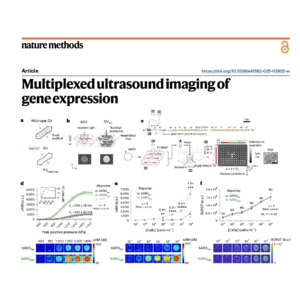
0This research article introduces next-generation acoustic reporter genes (ARGs) that enable the first "two-tone" multiplexed ultrasound imaging of cellular activity. While traditional ultrasound has been limited to a single signal, scientists used protein engineering and directed evolution to develop two distinct genetic markers, bARG560 and bARG710, which respond to different acoustic pressures. These engineered proteins allow researchers to visualize separate bacterial species and cellular states simultaneously deep within living tissues, such as the mammalian gut or tumors. By overcoming the depth limitations of optical methods like fluorescence, this technology provides a high-resolution, non-invasive way to track probiotic therapies and complex biological systems in vivo. Ultimately, these findings expand the functional toolkit for biomolecular ultrasound, setting a foundation for more sophisticated monitoring of living subjects.
References:
- Nyström N N, Jin Z, Bennett M E, et al. Multiplexed ultrasound imaging of gene expression[J]. Nature Methods, 2025: 1-7.
