

 3
3 0
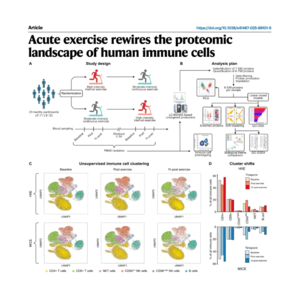
0This research study presents a comprehensive proteomic analysis of human immune cells following acute physical activity. By comparing high-intensity interval exercise (HIIE) and moderate-intensity continuous exercise (MICE), researchers discovered that intense movement triggers more significant rewiring of immune cell pathways related to activation and effector function. The study utilized mass spectrometry and flow cytometry to identify over 6,000 proteins, finding that these molecular changes occur regardless of identical cell mobilization patterns between the two exercise types. Additionally, the authors identified a specific immunoproteomic signature that can accurately predict a person's cardiorespiratory fitness. These findings provide biological evidence supporting global health guidelines that emphasize exercise intensity as a critical factor for immunological health. Overall, the data serves as a foundational resource for understanding how exercise serves as a powerful tool for disease prevention at a molecular level.
References:
- Walzik D, Joisten N, Metcalfe A J, et al. Acute exercise rewires the proteomic landscape of human immune cells[J]. Nature Communications, 2026.
