

 0
0 0
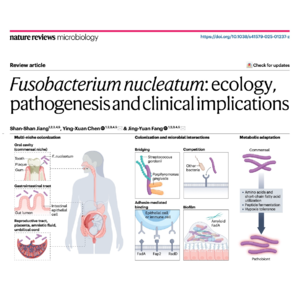
0This comprehensive review identifies Fusobacterium nucleatum as a critical pathobiont that transitions from a common oral resident to a driver of systemic disease. The text explains how this bacterium uses specialized adhesins and metabolites to migrate and thrive in diverse environments, particularly the gastrointestinal tract. Research highlights a profound link between the microbe and colorectal cancer, where it promotes tumor growth, immune evasion, and resistance to chemotherapy. Beyond oncology, the sources associate the pathogen with inflammatory bowel disease, adverse pregnancy outcomes, and even neurodegenerative conditions like Alzheimer’s disease. To combat these threats, the authors discuss innovative diagnostic biomarkers and emerging treatments, including phage therapy and targeted nanomedicines. Ultimately, the review underscores the necessity of understanding this microbe’s ecological plasticity to improve clinical outcomes in translational medicine.
References:
- Jiang, SS., Chen, YX. & Fang, JY. Fusobacterium nucleatum: ecology, pathogenesis and clinical implications. Nat Rev Microbiol (2025). doi.org
