
 6
6 0
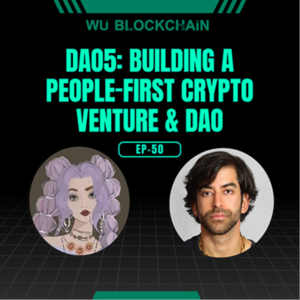
0In this episode, Tekin Salimi, founder of dao5, discusses his transition from traditional crypto venture capital to building dao5, a decentralized autonomous organization (DAO). He reflects on the challenges and opportunities in the crypto space, shares insights on DAOs, venture funding, and the intersection of blockchain technology with AI, and explores the evolving crypto ecosystem in the wake of 2024 market shifts.
Tekin Salimi outlines his journey from Polychain Capital to founding dao5 in 2022, where he focused on creating a unique investment fund model with a strong emphasis on adaptability. His approach in dao5 differs from traditional venture capital by prioritizing people and community formation within the decentralized framework. He delves into the market dynamics of altcoins, token distribution, and venture capital's shift toward decentralization. Tekin also highlights dao5's future governance model, where decisions will be gradually decentralized, but with a strong leadership core initially. The discussion touches on current challenges in meme coins, institutional adoption, and how the DAO model can address issues like liquidity, incentives, and governance in crypto. He concludes with thoughts on the long-term potential of decentralized AI and crypto integration.
Text summary: Link
Timeline:
Introduction and dao5 Overview
Key Differences Between dao5 and Traditional VC
dao5's Focus on People and Governance
Vertical Focus and Investment Strategy
Institutional Adoption vs. Crypto Native Innovation
Shifting Focus Toward Enterprise and Compliance
Performance of dao5's First Fund
Bittensor and dao5's Role as an Incubator
Blockchain and AI: Future Synergies
Shift in VC Return Expectations
The Meme Coin Dilemma for VCs
Transitioning to a DAO: Governance and Structure
Ensuring Balance Between Small and Large Stakeholders
Building Value-Aligned Community Participation
Handling Trust and Legal Risk with Pseudonymous Founders
The Future of Crypto VCs in a DAO-Driven World
Western vs. Eastern Crypto Ecosystems
Overcoming Gaps in Liquidity, Networks, and Regulation
