

 0
0 0
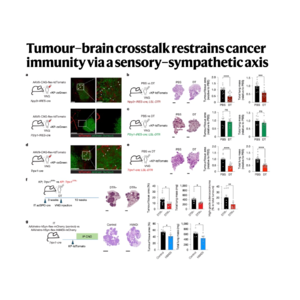
0Recent scientific research explores how neural pathways between the brain and peripheral organs regulate the progression of solid tumors, specifically focusing on lung cancer. The study identifies a sensory-sympathetic axis where the brain detects tumors via vagal sensory neurons and subsequently triggers a response through the sympathetic nervous system. This biological communication suppresses the immune system by promoting arginase-expressing macrophages and inhibiting the activity of protective T cells. Researchers demonstrated that disrupting this brain-body circuit or using beta-blockers can significantly reduce tumor growth and restore anti-cancer immunity. Analysis of clinical data further suggests that patients with high activation of these neural signatures face a poorer prognosis, highlighting new potential targets for cancer therapy.
References:
- Wei H K, Yu C D, Hu B, et al. Tumour–brain crosstalk restrains cancer immunity via a sensory–sympathetic axis[J]. Nature, 2026: 1-10.
