

 0
0 0
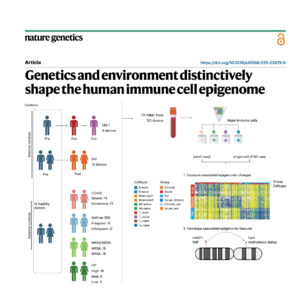
0This research explores the complex interaction between genetics and environmental exposures by analyzing DNA methylation patterns in various human immune cells. Scientists examined how external factors, such as viral infections like COVID-19, bacterial encounters, and chemical exposures, trigger specific epigenetic modifications that alter gene expression. By using advanced single-cell sequencing technologies, the study identified unique cellular clusters and regulatory markers that distinguish healthy individuals from those affected by disease or toxins. The findings highlight that while many biological traits are inherited, environmental stressors significantly reshape the epigenome in a cell-type-specific manner. Ultimately, this work provides a detailed framework for understanding how nature and nurture combine to influence immune system functionality and disease susceptibility.
References:
- Wang W, Hariharan M, Ding W, et al. Genetics and environment distinctively shape the human immune cell epigenome[J]. Nature Genetics, 2026: 1-12.
