

 2
 1
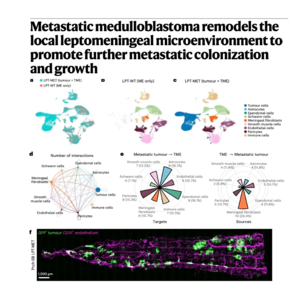
This research explores how metastatic medulloblastoma survives in the nutrient-poor environment of the leptomeninges by actively altering its surroundings. The study reveals that cancer cells release PDGF ligands to recruit meningeal fibroblasts, which are then reprogrammed into a specialized, tumor-supporting state. These modified fibroblasts promote metastatic growth and colonization by signaling back to the tumor through bone morphogenetic proteins. By identifying this specific intercellular communication loop, the authors suggest that targeting the PDGF-receptor-α pathway could offer a new therapeutic strategy for treating or preventing the spread of this pediatric brain cancer. Single-cell analysis further demonstrates that these fibroblasts evolve alongside the tumor, eventually resembling cancer-associated fibroblasts found in other aggressive malignancies.
References:
- Abeysundara N, Rasnitsyn A, Fong V, et al. Metastatic medulloblastoma remodels the local leptomeningeal microenvironment to promote further metastatic colonization and growth[J]. Nature cell biology, 2025, 27(5): 863-874.

