

 1105
1105 0
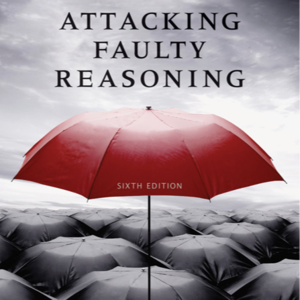
0很多时候,一句话只要听起来顺、听起来有逻辑,我们就很容易点头同意。但在《好好讲道理》(Attacking Faulty Reasoning)这本书里,作者提醒了一件很重要的事:有道理不等于是真的。很多看似严密的说法,其实只是把情绪、假设或者模糊的概念包装成了“推理”。如果不仔细拆开看,很容易被带着走。
这期节目会聊到几种常见的错误推理方式,以及判断一个观点是否靠谱时可以参考的几个简单标准。比如一个论证是否真的提供了证据,结论是否真的从前提中推出来,还是只是换了一种说法。听完之后,也许你不会立刻变成逻辑高手,但至少在下次听到某些“听起来很有道理”的说法时,脑子里会多一个小小的提醒:先慢一点,想一想它到底是不是站得住。
收听指南🧭
00:00 The idea that something sounding reasonable does not guarantee it is true is introduced, highlighting how easily persuasive arguments can mislead.
03:04 Several common patterns of faulty reasoning are explained, showing how arguments can appear logical while lacking real support.
07:01 Practical criteria are discussed for evaluating arguments, focusing on whether the evidence, assumptions, and conclusions genuinely connect.
11:02 Applying these standards helps reveal weak reasoning and encourages more careful thinking before accepting convincing-sounding claims.
Episode Transcript: pan.baidu.com 提取码:yyds
Original Book (PDF): pan.baidu.com 提取码: yyds
