

 1
1 0
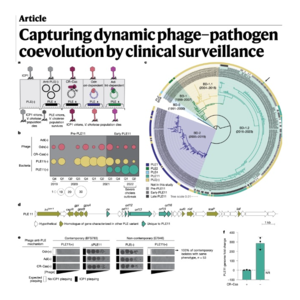
0Researchers conducting clinical surveillance in Bangladesh have identified a new mobile genetic element in Vibrio cholerae, named PLE11, which drove a massive selective sweep during a 2022 cholera outbreak. This element provides the bacteria with potent protection against its primary predator, the ICP1 phage, by utilizing a unique defense protein called Rta. Unlike previously known defenses, Rta specifically disrupts the assembly of phage tails, rendering the viruses incapable of spreading even if they possess counter-defense mechanisms like CRISPR-Cas. To ensure its own survival and transmission, PLE11 creates chimeric tails using a mix of its own proteins and hijacked phage components. Over time, the ICP1 phage naturally evolved specific mutations in its tape measure protein to bypass this blockade, mirroring results found in laboratory experiments. This study provides rare molecular evidence of how a continuous evolutionary arms race between pathogens and viruses shapes real-world disease epidemics.
References:
- Mathur Y, Boyd C M, Farnham J E, et al. Capturing dynamic phage–pathogen coevolution by clinical surveillance[J]. Nature, 2026: 1-8.
