

 0
0 0
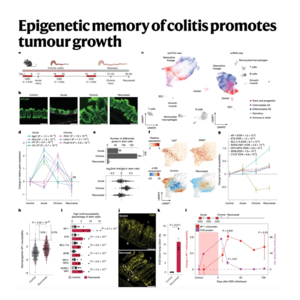
0This study investigates the epigenetic memory that remains in colonic stem cells long after inflammation from colitis has resolved. Researchers discovered that even when the tissue appears physically healed, stem cells retain a "memory" of the injury through lasting changes in chromatin accessibility and DNA methylation. This process is driven primarily by the AP-1 transcription factor, which stays active and is passed down through clonal lineages as cells divide. Crucially, this molecular memory primes stem cells for faster tumor growth when oncogenic mutations occur, providing a clear mechanistic link between chronic inflammation and cancer susceptibility. The authors also introduce SHARE-TRACE, a novel method to simultaneously track a cell's genetic expression, physical DNA structure, and ancestral history. Their findings suggest that targeting these persistent epigenetic alterations could offer new ways to prevent malignancy in patients with inflammatory diseases.
References:
- Nagaraja S, Ojeda-Miron L, Zhang R, et al. Epigenetic memory of colitis promotes tumour growth[J]. Nature, 2026: 1-10.
