

 0
0 0
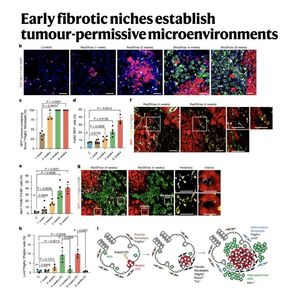
0This research explores how oncogenic mutations in lung stem cells initiate a self-sustaining circuit that transforms the surrounding environment before tumors fully develop. Using single-cell analysis and organoid models, scientists discovered that KrasG12D-mutant cells release a protein called amphiregulin, which triggers a fibrotic, injury-like response in neighboring fibroblasts. These reprogrammed fibroblasts then cause resident alveolar macrophages to expand and shift into an inflammatory, immunosuppressive state. This reciprocal communication creates a tumor-permissive niche that reinforces the plasticity and growth of mutant epithelial cells. Ultimately, the study demonstrates that disrupting the amphiregulin–EGFR axis can block this niche formation, revealing a critical therapeutic window for preventing the progression of early-stage lung cancer.
References:
Cardoso E C, Lee H, England F J, et al. Early fibrotic niches establish tumour-permissive microenvironments[J]. Nature, 2026: 1-11.
