

 0
0 0
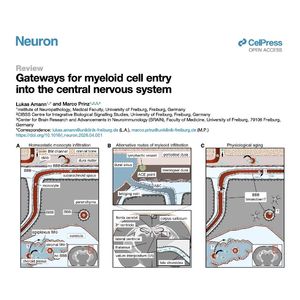
0This review examines the anatomical gateways and molecular pathways that allow myeloid cells to enter the central nervous system (CNS). It details how the healthy brain is primarily populated by embryonically derived macrophages, such as microglia, which establish themselves during development and maintain their numbers through self-renewal. The text distinguishes these resident cells from border-associated macrophages located in the meninges and choroid plexus, explaining how these specific regions vary in their accessibility to circulating monocytes. Furthermore, the authors describe how factors like aging and pathology can compromise protective barriers, permitting the infiltration of bone marrow-derived immune cells. Understanding these migration routes is presented as a vital step toward creating targeted cell therapies for neurological disorders. This comprehensive overview highlights the spatiotemporal colonization of the CNS from embryogenesis through adulthood.
References:
Amann L, Prinz M. Gateways for myeloid cell entry into the central nervous system[J]. Neuron, 2026.
