

 0
0 0
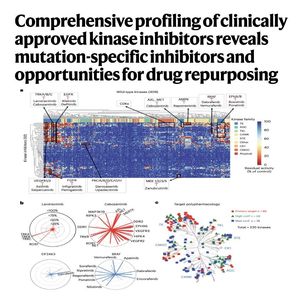
0This study presents a comprehensive biochemical profile of 92 clinical kinase inhibitors—86 of which are FDA-approved—tested against a panel of 758 kinases. By examining 409 wild-type and 349 oncogenic variants, the researchers expanded the known landscape of druggable kinases from 89 to 235. The results reveal significant polypharmacology, demonstrating that most approved drugs inhibit additional, unintended targets that can be leveraged for precision oncology. The authors utilized these data to identify drug-repurposing opportunities, such as using tepotinib for glioblastoma and gilteritinib to reverse drug resistance in mesenchymal cancer cells. To support clinical decision-making and further research, they developed KiRHub, a web-based portal for identifying existing inhibitors for specific mutations and fusions. Ultimately, the findings highlight that many treatment-resistant mutations are already susceptible to other currently available, clinically approved medications.
References:
Saifudeen M, Zhu S, Liang S, et al. Comprehensive profiling of clinically approved kinase inhibitors reveals mutation-specific inhibitors and opportunities for drug repurposing[J]. Nature Biotechnology, 2026: 1-15.
