

 2
2 0
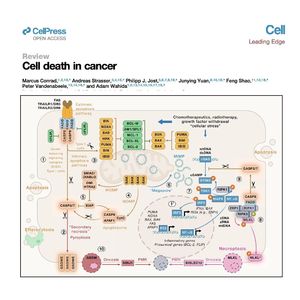
0This review article examines the complex landscape of regulated cell death and its critical role in cancer development, progression, and treatment. While apoptosis has long been the primary focus of oncology, the authors highlight how emerging pathways like necroptosis, pyroptosis, and ferroptosis provide new opportunities to overcome therapy resistance. These diverse death programs do not function in isolation; instead, they form an interconnected network that influences the tumor microenvironment and the effectiveness of the immune system. By understanding how malignant cells evade these pathways, researchers can develop targeted therapies, such as BH3 mimetics, to restore natural elimination processes. Ultimately, the text advocates for a systems oncology framework that leverages the unique inflammatory and metabolic features of each cell death modality to improve patient outcomes.
References:
Conrad M, Strasser A, Jost P ...Cell death in cancer. Cell, 189, 2322-2356
