

 0
0 0
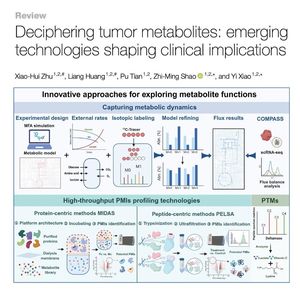
0This review examines how metabolites function as critical drivers of tumor progression by influencing cell fate, genetic expression, and the surrounding immune environment. The authors evaluate advanced detection platforms, such as mass spectrometry and nuclear magnetic resonance, alongside emerging methods like single-cell and spatial metabolomics. These technologies allow researchers to identify novel molecules and map metabolic fluxes, providing a deeper understanding of the chemical interactions that fuel malignancy. Despite challenges like metabolic heterogeneity and technical limitations in sensitivity, the text highlights the growing role of machine learning in refining data analysis. Ultimately, the sources propose a clinical framework that utilizes metabolic profiling to improve cancer diagnosis, patient stratification, and the discovery of new therapeutic targets. Progress in this field is essential for transitioning from basic research to precision medicine in oncology.
References:
Zhu X H, Huang L, Tian P, et al. Deciphering tumor metabolites: emerging technologies shaping clinical implications[J]. Trends in Cancer, 2026.
