

 1
1 0
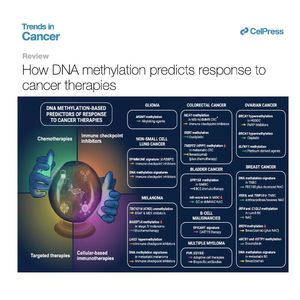
0this review paper explore the transformative role of DNA methylation as a clinical tool for predicting how cancer patients will respond to various medical treatments. While traditionally used for diagnosis, these epigenetic biomarkers now offer a way to forecast the success of chemotherapies, targeted therapies, and immunotherapies by analyzing gene silencing and cellular states. The research highlights the inherent stability of DNA molecules, which allows for reliable testing in both traditional tissue biopsies and noninvasive liquid biopsies like blood or urine. By identifying specific methylation signatures, doctors can better understand tumor resistance mechanisms and identify "exceptional responders" who might benefit from precise drug combinations. Despite this potential, the texts note that wide-scale implementation faces hurdles such as the need for methodological standardization and more rigorous clinical validation. Ultimately, the sources advocate for integrating large-scale epigenomic data into oncology to enable more personalized and adaptive treatment strategies.
References:
Davalos V, Ferrer G, Esteller M. How DNA methylation predicts response to cancer therapies[J]. Trends in Cancer, 2026.
