

 0
0 0
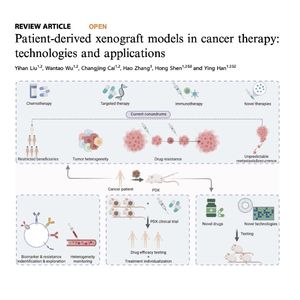
0This paper is a comprehensive overview of Patient-derived xenograft (PDX) models, a sophisticated preclinical tool where human tumor tissues are transplanted into mice to study cancer therapy. Unlike traditional cell lines, PDX models accurately replicate intratumor heterogeneity, the complex spatial architecture of tumors, and the specific genomic features of individual patients. The text explains how these models are established using immunocompromised or humanized mice to facilitate research into chemotherapy, targeted therapy, and immunotherapy. By integrating modern technologies like multi-omics, CRISPR screening, and deep learning, PDX platforms help researchers identify drug resistance mechanisms and validate novel drug combinations. Despite challenges such as the eventual replacement of human stroma with murine cells, PDX models remain essential for personalized medicine and predicting real-world patient responses. These sources ultimately highlight the evolution of PDX models from simple "avatars" to advanced systems that drive preclinical drug development and clinical decision-making.
References:
Liu Y, Wu W, Cai C, Zhang H, Shen H, Han Y. Patient-derived xenograft models in cancer therapy: technologies and applications. Signal Transduct Target Ther. 2023 Apr 12;8(1):160. doi: 10.1038/s41392-023-01419-2. PMID: 37045827; PMCID: PMC10097874.
