
 221
221 2
2遇事自己做主、独立思考——这是我们许多人极为看重的「自主性」。然而在生活的诸多领域,更明智的做法是去信任那些比我们更有学识的人。我们信任医生、科学家、水电工、健身教练,甚至包括哲学家。
在本期节目中,我们将探讨儒家哲学中的「道德自主」与「道德遵从」的问题。
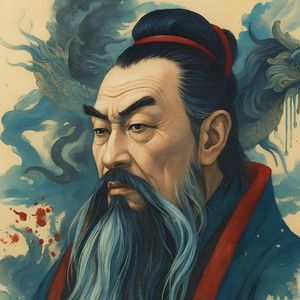
荀子主张我们要尊奉传统、顺应礼法、听从道德权威。而一些后世儒家担忧,盲从外在权威,可能会使人无法获得真正的道德体悟,从而也就无法成就真正的德性。
所以,在道德这件事上,我们是否应该听从圣人和君子的指导呢?
时间轴
0:00 Part I -- 引言
3:55 本期主题:荀子的道德遵从观及其批评者
9:15 Part II -- 儒家伦理中的遵从与自主Deference and Autonomy in Confucian Ethics
9:43 儒家道德遵从的历史回顾 Short historical survey of Confucian philosophers on moral deference
13:24 First passage: 以「学习手艺」作类比
26:36 Second passage: 以「采用现有技术」作类比
40:42 荀子的让步:自主性有程度之分,在某些情况下自主性越强越好 Xunzi's concession: autonomy comes in degrees, and in some cases more is better
45:01 荀子的历史批评:发自内心的美德,需要更多的自主性 Historical criticism of Xunzi: wholehearted virtue requires more autonomy
48:20 支持自主性的儒家阵营:温和派与激进派 Pro-autonomy Confucians: the moderates vs. the radicals
52:19 苦练钢琴的启示:基于「遵从」的道德学习有何优势? Hard-won piano skills as an illustration of the advantages of deference-based moral learning
56:51 历史争论:为什么我们无法通过普遍的道德遵从而获得真正的德性? The historical argument that we can't acquire virtues through pervasive moral deference
59:43 韩非子的回应:放弃内在动机驱动的德性 Another possible response to Xunzi's predicament: just give up on internally motivated virtue (the Han Feizi response)
1:01:54 荀子学派的反驳:通过直觉切入伦理学是不可能的 Xunzian objection: the improbability of intuitive points-of-entry into ethics
1:10:47 进一步探讨 Some issues for further study
重点讨论段落
Passage 1: Analogy to learning crafts
天下之人,唯各特意哉,然而有所共予也。言味者予易牙,言音者予师旷,言治者予三王。三王既以定法度,制礼乐而传之,有不用而改自作,何以异于变易牙之和,更师旷之律?无三王之法,天下不待亡,国不待死。
(《荀子·大略》, chapter 27, lines 698-710, Eric Hutton’s translation)
Passage 2: Analogy to adopting pre-existing technology
公输不能加于绳[墨],圣人不能加于礼。礼者,众人法而不知,圣人法而知之。
(《荀子·法行》, chapter 30, lines 1-4, Eric Hutton’s translation)
目前节目持续更新中,周一与你见面,欢迎订阅收听!如果你有任何想法或建议,欢迎在评论区留言,或前往 Warp, Weft, and Way 网站参与讨论。
其他参考资料
Justin’s short piece on moral deference and “getting it oneself” in Confucian philosophy
Scranton, Pennsylvania, United States
The Office (美剧《办公室》)
道德遵从的案例(Cases of moral deference):有时等同于「依赖道德证言(moral testimony)的案例。
强烈反对荀子的后世儒家学者:
温和支持自主性派: Zhu Xi 朱熹 (1130-1200 CE), Dai Zhen 戴震 (1724-1777)
激进支持自主性派: Wang Yangming 王阳明 (1472-1529), other late-Ming Confucians 其他自视为王学传人的晚明儒家学者
Gordan Ramsay Jacques Pépin 两位21世纪的著名主厨
The Karate Kid (《龙威小子》80年代的经典流行电影)
绳墨:墨线(用于取直的工具)。
大儒 (受过深厚经典教育的人,极少数具备足够的道德认知、能够自主形成良好信念的人。person of great classical education – a very rare individual with enough moral understanding to form good beliefs autonomously)
士:学者,致力于公共服务或国家治理的人。
法:伦理实践的正当典范。
四端(The "four sprouts"):具有道德倾向的情感特质(源自《孟子》)。The “four sprouts” or “four beginnings of virtue” (pro-virtuous emotional dispositions 四端)
PJ Ivanhoe (Philip J. Ivanhoe, who argues here and here that 他认为荀子对人性的悲观论述与其「人生来在道德上是盲目」的观点密切相关。Xunzi’s pessimistic account of human nature is closely connected to his view that we are naturally morally blind at birth)
Mencius 2A2, 《孟子·公孙丑上》:宋人揠苗助长的故事
Cheng Yi 程颐 (1033-1107), source of a highly influential criticism of Xunzi, 指出了对荀子极具影响力的批评,该批评收录于《近思录》。
Justin’s more technical papers on issues mentioned in the episode: “Getting It Oneself” (Zide 自得) and Xunzi on Moral Expertise
诚: sincerity, integrity(对许多理学家而言,「诚」意味着发自内心地、全心全意地践行 wholeheartedness
Philippa Foot (20世纪道德哲学家,她对「美德」的观点曾发生过演变。20th-century moral philosopher whose views about the virtues fluctuated, as Richard discussed near the end of the episode)
所当然而不容已: 我们不由自主被其驱动的伦理规范。– an important basic ingredient of Zhu Xi’s moral epistemology (discussed at some length in Neo-Confucianism, by Stephen Angle and Justin Tiwald, chapter 6)
特别鸣谢 The Hong Kong Ethics Lab 的支持和赞助,以及 Warp, Weft and Way 网站对讨论环节的支持。
音频剪辑 & 中文 show notes: Lena