

 0
 0
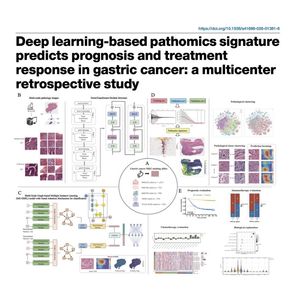
This multi-center study introduces a pathomics signature for gastric cancer (PSGC), which utilizes deep learning to analyze standard H&E-stained tissue slides. Researchers developed this artificial intelligence model to overcome the limitations of traditional staging systems, providing a more accurate method for predicting patient survival and treatment response. The study found that patients with high PSGC scores benefit significantly from adjuvant chemotherapy and immunotherapy, whereas those with low scores may not. By identifying specific histological features like tumor-stroma fibrosis and cellular anaplasia, the model offers a cost-effective tool for personalized clinical decision-making. Ultimately, integrating this digital signature with conventional methods enhances prognostic precision and helps clarify the biological mechanisms driving cancer progression.
References:
Wang, H., Li, H., Ma, K. et al. Deep learning-based pathomics signature predicts prognosis and treatment response in gastric cancer: a multicenter retrospective study. npj Precis. Onc. 10, 206 (2026). doi.org
