
 37
37 0
0今日内容一览:
[] 欧洲为何无法在冰岛建设 AI 数据中心
[] 三星和 SK 海力士投资 5000 亿美元在韩国建设芯片中心
[] 研究表明超重型火箭可能面临边际收益递减
[] 世界杯中十支着装最棒的球队
---
[] Hello and welcome back to the Daily Tech Briefing. I'm your host. Today, we bring you stories about Europe's AI data centers, South Korea's massive chip investment, the economics of superheavy rockets, and World Cup style. Let's dive in.
大家好,欢迎收听科技每日简报。我是主持人。今天我们为您带来关于欧洲 AI 数据中心、韩国巨额芯片投资、超重型火箭经济学以及世界杯球衣风格的报道。让我们开始吧。
---
[] Why Europe Fails to Build AI Data Centers in Iceland. The European Union wants to triple its data center capacity to gain digital independence. Currently, American tech giants run about 70 percent of Europe's cloud services. But building data centers requires massive electricity. While Europe struggles with power shortages and slow approvals, Iceland stands out as an ideal location. Iceland runs on 100 percent renewable energy from geothermal and hydropower. Its cold air also cools servers for free. Despite these benefits, Europe is not using Iceland effectively. Iceland has only one major AI data center. Its local power grid is small, and subsea cables are limited. This issue shows a larger problem. Europe has great natural advantages in places like Iceland and Norway, but it treats them as afterthoughts (事后产生的想法;次要的考虑(名词复数)). Instead of building power lines, the European Union is mostly writing regulatory rules. The main bottleneck for European AI is not technology or geology. The real bottleneck is Europe's slow administration.
欧洲为何无法在冰岛建设 AI 数据中心。欧盟希望将其数据中心容量增加两倍,以获得数字独立。目前,美国科技巨头运营着欧洲大约 70% 的云服务。但是建设数据中心需要巨大的电力。当欧洲在与电力短缺和缓慢的审批做斗争时,冰岛脱颖而出,成为一个理想的地点。冰岛完全依靠地热 and 水力发电等 100% 可再生能源运行。它的冷空气还可以免费为服务器降温。尽管有这些优势,欧洲并没有有效利用冰岛。冰岛目前仅有一家主要的 AI 数据中心。它当地的电网规模很小,而且海底电缆也受到限制。这个问题揭示了一个更大的痛点。欧洲在冰岛和挪威等地拥有巨大的自然优势,但却把它们当作次要的事情来对待。欧盟并没有专注于建设输电线路,而主要是在制定监管规则。欧洲 AI 的主要瓶颈不是技术,也不是地质。真正的瓶颈在于欧洲缓慢的行政审批。(来源:Hacker News)
---
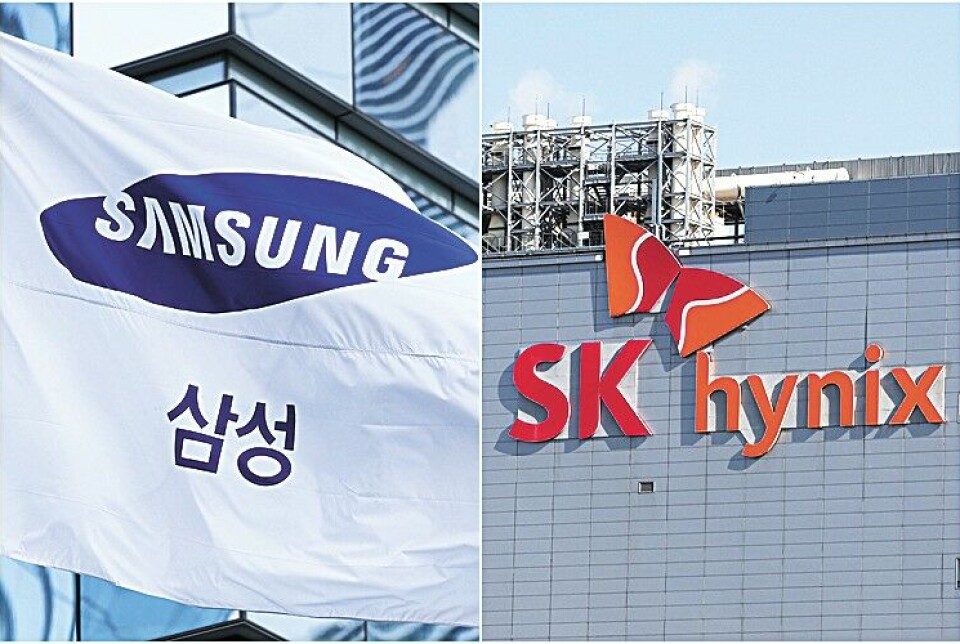
[] Samsung and SK Hynix to Invest $500 Billion in South Korean Chip Hub. Samsung Electronics and SK Hynix plan to make a massive investment of over 500 billion dollars. They will build a new semiconductor manufacturing hub in southwestern South Korea. The initiative (倡议;主动性;新方案), announced by the South Korean government Monday, envisions (展望,想象(动词第三人称单数)) the creation of four new memory chip-making plants in the southwest, diversifying from the two companies' current production centers which are all in the Seoul region. This project is a joint effort between the private companies and the government. It aims to spread the benefits of the global artificial intelligence boom. By building factories in less-developed areas, they hope to boost regional economies and strengthen their chip supply chain.
三星和 SK 海力士投资 5000 亿美元在韩国建设芯片中心。三星电子和 SK 海力士计划进行超过 5000 亿美元的巨额投资。他们将在韩国西南部建设一个新的半导体制造中心。这项由韩国政府于周一公布的倡议计划在西南部新建四家内存芯片制造厂,以实现这两家公司目前全部位于首尔地区的生产中心的多样化。该项目是私营企业与政府的共同努力。它的目标是传播全球人工智能热潮带来的红利。通过在欠发达地区建设工厂,他们希望提振区域经济并加强其芯片供应链。(来源:Wall Street Journal)
---
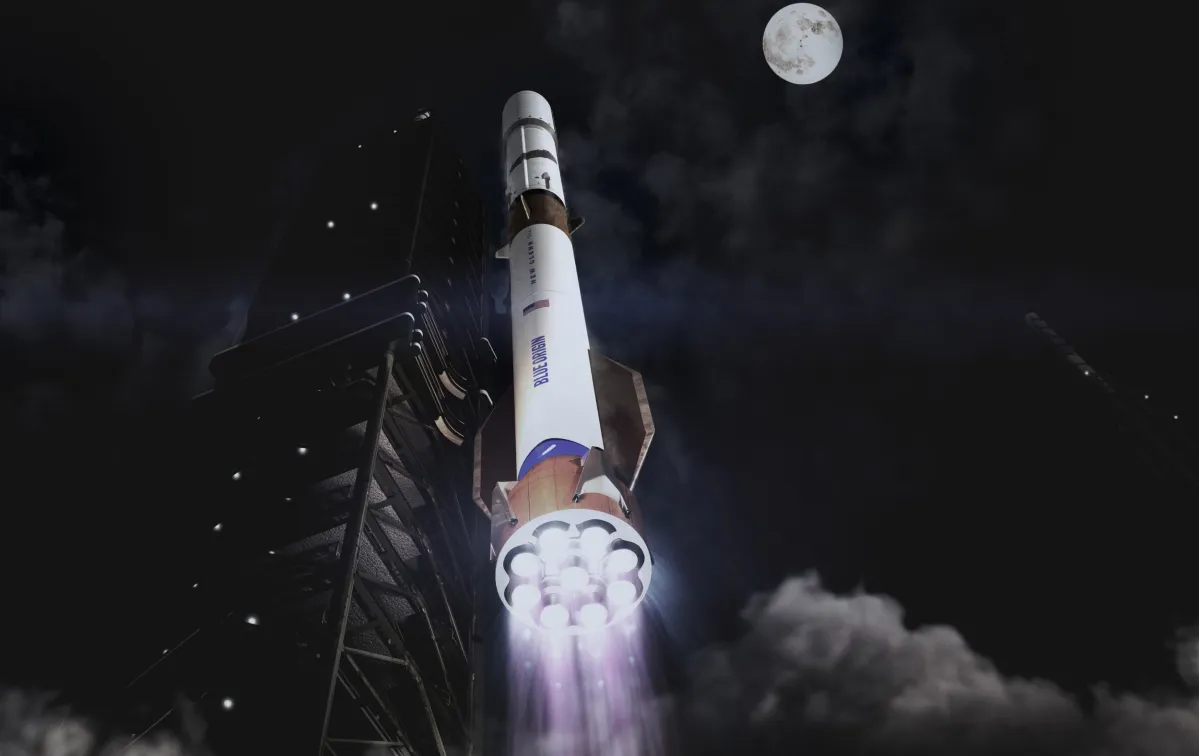
[] Study Suggests Super Heavy Rockets May Face Diminishing Returns. Is bigger always better for space travel? A new study by The Aerospace Corporation says maybe not. While super heavy rockets promise cheaper launches, they might reach a point of diminishing returns. As rocket capacity grows, the launch price per kilogram could actually go up. This is because larger vehicles require more preparation time, higher operational complexity, and larger marginal (边际的;边缘的;微小的) costs. The study compares this to the Airbus A380, which was a technical success but failed commercially because it was too large and expensive. Currently, only two super heavy vehicles are operational, including SpaceX's Falcon Heavy. But the Falcon Heavy has flown only 12 times since 2018. This raises questions about the market demand for giant rockets. Right now, megaconstellations are the only real market, while other fields like orbital data centers are still far in the future. Space companies must find a regular launch cadence (节奏,频次) to turn these engineering wonders into commercial success.
研究表明超重型火箭可能面临边际收益递减。对于太空旅行来说,越大就一定越好吗?航天公司的一项新研究表明,事实可能并非如此。虽然超重型火箭承诺提供更便宜的发射,但它们可能会达到边际收益递减的临点。随着火箭容量的增加,每公斤的发射价格实际上可能会上升。这是因为更大的航天器需要更多的准备时间、更高的操作复杂性以及更大的边际成本。该研究将此与空中客车 A380 进行了对比,后者在技术上取得了成功,但由于体型过大且成本昂贵,在商业上失败了。目前,只有两款超重型航天器投入运营,包括 SpaceX 的猎鹰重型火箭。但自 2018 年以来,猎鹰重型火箭仅飞行了 12 次。这引发了人们对巨型火箭市场需求的疑问。目前,巨型星座是唯一的现实市场,而轨道数据中心等其他领域仍处于遥远的未来。太空公司必须找到规律的发射节奏,才能将这些工程奇迹转化为商业成功。(来源:SpaceNews)
---
[] The 10 Best-Dressed Teams in the World Cup. The World Cup is full of exciting sports moments, but a different competition is happening on the sidelines (旁观,局外;边线). It is a competition of style and design. Fast Company has selected the top 10 best-dressed teams in this World Cup. For example, Germany made the list because of its away kit, which uses a navy blue jersey with turquoise lining. Norway's primary jersey features a custom typeface that looks like the Norse runic alphabet, bringing history to the field. Japan's away kit is also unique (独特的,独一无二的). It features 12 stripes of different colors to represent the 11 players and their fans. Finally, the Democratic Republic of the Congo features light blue jerseys with red trims and leopard print patterns. These creative designs show that soccer jerseys can be beautiful pieces of art.
世界杯中十支着装最棒的球队。世界杯充满了激动人心的体育时刻,但球场外也正在进行着一场不同的竞争。这是一场关于风格和设计的竞争。《快公司》评选出了本届世界杯十支着装最棒的球队。例如,德国队因其客场球衣而榜上有名,该球衣采用藏青色队服搭配绿松石色内衬。挪威队的主场球衣采用了一种看起来像北欧卢恩字母的自定义字体,将历史带到了绿茵场上。日本队的客场球衣也很独特,它有 12 条不同颜色的条纹,代表 11 名球员和他们的球迷。最后,刚果民主共和国队的球衣以浅蓝色为主色调,带有红色饰边和豹纹图案。这些传统的设计表明,足球球衣也可以是美丽的艺术品。(来源:Fast Company)

---
[] 📚 今日单词:
initiative
- /ɪˈnɪʃətɪv/
- noun 倡议;主动性;新方案
[] 词组/例句
- take the initiative 采取主动
- The initiative, announced by the South Korean government Monday, envisions the creation of four new memory chip-making plants in the southwest, diversifying from the two companies' current production centers which are all in the Seoul region.
这项由韩国政府于周一公布的倡议计划在西南部新建四家内存芯片制造厂,以实现这两家公司目前全部位于首尔地区的生产中心的多样化。
---
[] That's all for today's briefing. As we discussed Europe's struggle with building green AI data centers in Iceland, we want to ask you: do you think Europe should prioritize digital sovereignty by relaxing environmental and building regulations, or should they focus on strict rules even if it slows down tech infrastructure? Let us know in the comments. Thank you for listening, and see you next time.
以上就是今天简报的全部内容。当我们讨论到欧洲在冰岛建设绿色 AI 数据中心的困境时,我们想问问大家:您认为欧洲应该通过放宽环保和建设监管来优先考虑数字主权,还是应该坚持严格的规则,即使这会减缓技术基础设施的建设?请在评论区告诉我们。感谢您的收听,我们下期再见。
