

 3
3 0
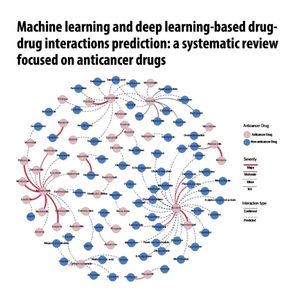
0This systematic review examines the implementation of machine learning and deep learning architectures to predict drug-drug interactions specifically involving anticancer medications. Because oncology patients frequently require polypharmacy, they face a heightened risk of adverse events or reduced treatment efficacy caused by complex biochemical interferences. The researchers analyzed 59 studies published through 2025, noting a significant shift toward advanced neural networks and knowledge graphs that outperform traditional laboratory methods in speed and cost. By utilizing databases like DrugBank, these AI models successfully identified 96 novel potential interactions, nearly a quarter of which were later validated by clinical checkers. The source emphasizes that while predictive accuracy is high, future models must better integrate patient-specific data and biological factors to improve real-world clinical utility. Ultimately, this review serves as a roadmap for developing automated decision-support tools to enhance safety and precision in cancer care.
References:
Zhao Y, Wang J, Kim J, et al. Machine learning and deep learning-based drug-drug interactions prediction: a systematic review focused on anticancer drugs[J]. npj Precision Oncology, 2026.
