

 2
2 0
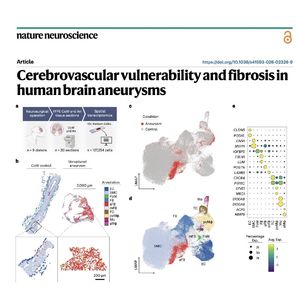
0This study utilizes single-cell and spatial transcriptomics to establish a comprehensive molecular atlas of human brain aneurysms. By analyzing over 200,000 neurovascular cells, the researchers identified a critical pathological shift where structurally supportive smooth muscle cells are lost and replaced by activated perivascular fibroblasts. This fibrotic transformation is linked to an influx of specialized macrophages that trigger vascular destabilization through inflammatory signaling. The findings suggest that an intricate interplay between cerebrovascular fibrosis and myeloid inflammation drives the progression of this disease. Ultimately, this research provides a high-resolution map of the cellular mechanisms underlying aneurysm formation and rupture, offering new targets for translational medicine and stroke prevention.
References:
Wang J C, Kim C N, Bhalla S, et al. Cerebrovascular vulnerability and fibrosis in human brain aneurysms[J]. Nature neuroscience, 2026: 1-12.
