

 39
39 0
0今日内容一览:
[] 人工智能真的拥有智能吗?
[] 量子计算机目前有什么实际用途?
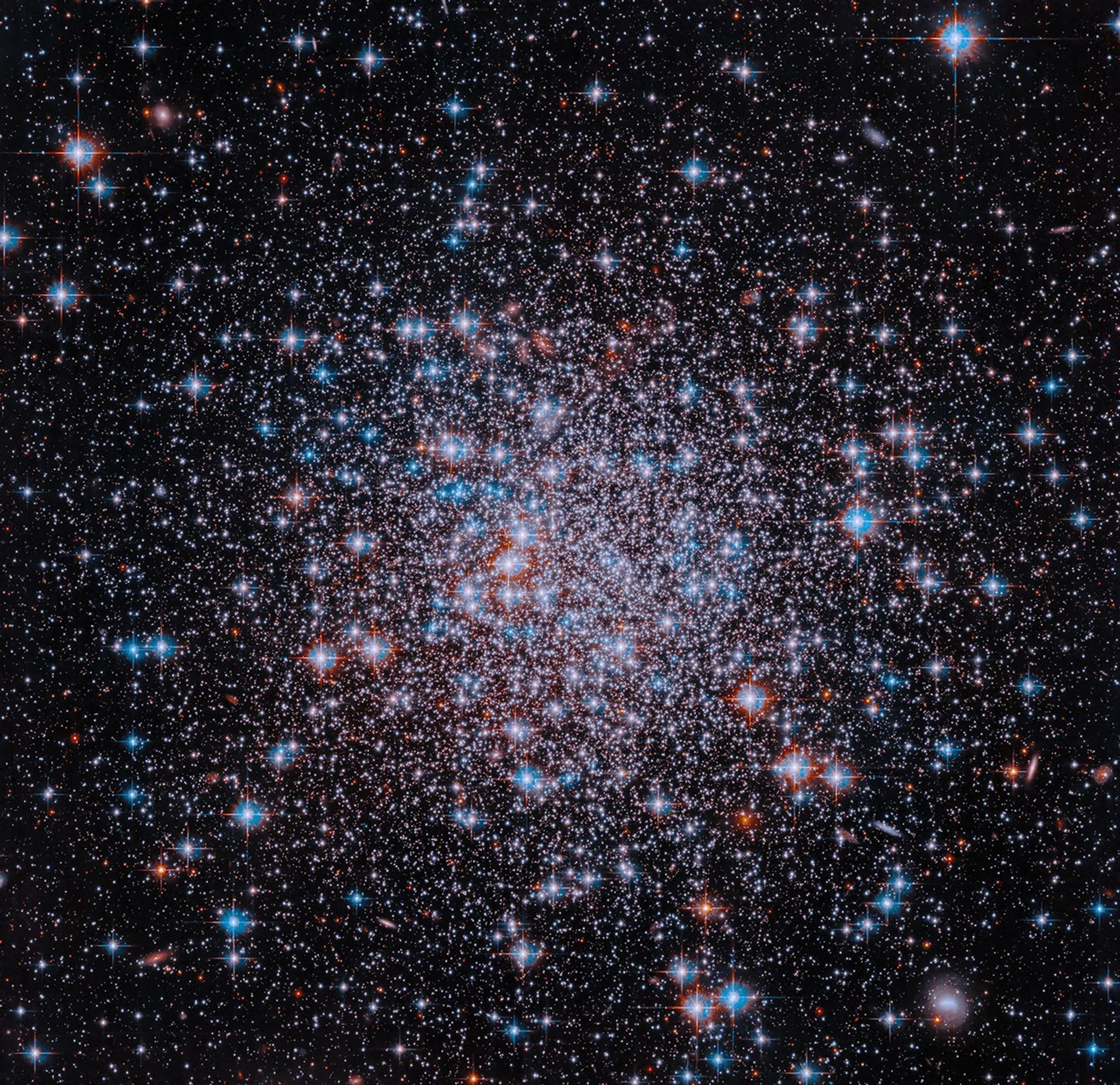
[] 哈勃望远镜拍下古老星团庆祝美国独立日
---
[] Hello and welcome to today's Daily Tech Briefing. I'm your host. Today, we have three fascinating stories. First, we explore a deep question: is artificial intelligence truly intelligent, or are humans not as mysterious as we think? Second, we examine the current value of quantum computing and why investors might hesitate to fund it. Finally, we head to deep space to view a spectacular new Hubble image of a thirteen-billion-year-old star cluster. Let's dive in.
大家好,欢迎收听科技每日简报。我是主持人。今天我们为您带来三个引人入胜的科技故事。首先,我们探讨一个深刻的问题:人工智能真的拥有智能吗?还是人类自身并没有我们想象的那么神秘?第二,我们探讨量子计算的当前价值,以及为什么投资者可能会对其资金支持产生犹豫。最后,我们前往深空,欣赏哈勃望远镜为我们拍摄的拥有130亿年历史的璀璨星团新图像。让我们开始吧。
---
[] Is Artificial Intelligence Truly Intelligent?. Is artificial intelligence truly intelligent? An author recently shared some interesting thoughts on this topic. Today, tools like ChatGPT can write very well. They can mimic (模仿) our writing style and even our bias. They can pass the Turing test and make people believe they are human. Yet, most people do not call AI conscious. The author argues that humans and AI are actually quite similar. Both start with an empty brain and learn from information over time. However, there is a big difference. The human brain is very efficient (高效的) and runs on very little energy. On the other hand, AI needs huge data centers and a lot of electricity. But AI is still getting better. For example, an AI recently won first place in the International Mathematical Olympiad. The author believes that if AI is not truly intelligent, then perhaps humans are not either.
人工智能真的拥有智能吗?。人工智能真的拥有智能吗?最近一位作者分享了关于这个话题的有趣观点。如今,像 ChatGPT 这样的工具已经能写得非常好。它们可以模仿我们的写作风格,甚至我们的偏见。它们可以通过图灵测试,让人误以为它们是人类。然而,大多数人并不认为 AI 具有意识。作者认为,人类和 AI 实际上非常相似。两者都是从空白的大脑开始,随着时间的推移从信息中学习。不过,这里有一个巨大的区别。人类的大脑非常高效,运行只需要极少的能量。而 AI 则需要庞大的数据中心和大量的电力。但 AI 仍在变得越来越好。例如,一个 AI 最近在国际数学奥林匹克竞赛中荣获了第一名。作者认为,如果 AI 不是真正的智能,那么人类或许也同样不是。(来源:Hacker News)
---
[] What Is a Quantum Computer Good For Today?. Next, we look at quantum computing. What is a quantum computer good for today? The short answer is: not much yet. Experts say that people often overestimate short-term improvements and underestimate (低估) (低估) long-term progress. This creates a big challenge for funding. Most investors want a quick return on their money. They do not want to wait for decades. If they knew that a project would take forty years to pay off (带来回报,取得成功), they would not invest. Therefore, finding long-term support for quantum research remains very difficult.
量子计算机目前有什么实际用途?。接下来,我们来看看量子计算。如今量子计算机有什么用?简短的回答是:目前还没什么用。专家表示,人们往往高估了短期内的技术进步,却低估了长期的发展。这给资金支持带来了巨大的挑战。大多数投资者都希望资金能快速获得回报。他们不想等待几十年。如果他们知道一个项目需要四十年才能带来回报,他们就不会投资了。因此,为量子研究寻找长期支持依然非常困难。(来源:Slashdot)
---
[] Hubble Captures Ancient Star Cluster for Independence Day. Finally, we travel into deep space. NASA has released a beautiful new image from the Hubble Space Telescope. This image celebrate the two-hundred and fiftieth anniversary of the United States. It shows a globular (球状的) cluster called NGC 6426. It look like a bright sparkler in the dark sky. The cluster is located in the outer halo of the Milky Way. It is about thirteen billion years old. This means it is almost as old as the universe itself. The stars in this cluster have very low metallicity (金属丰度). This means they have few heavy elements. Studying these stars helps scientists understand how our galaxy formed and how stars grow.
哈勃望远镜拍下古老星团庆祝美国独立日。最后,我们前往深空。NASA发布了一张来自哈勃空间望远镜的精美新照片。这张照片是为了庆祝美国建国二百五十周年。它展示了一个名为 NGC 6426 的球状星团。它看起来就像夜空中闪烁的璀璨花火。该星团位于银河系的外晕。它大约有130亿年的历史。这意味着它几乎和宇宙本身一样古老。这个星团中的恒星具有非常低的金属丰度。这意味着它们只含有极少数的重元素。研究这些恒星可以帮助科学家了解我们星系是如何形成的,以及恒星是如何生长的。(来源:NASA News)
---
[] 📚 今日单词:
underestimate
- /ˌʌndərˈestɪmeɪt/
- verb 低估
[] 词组/例句
- underestimate progress 低估进展
- Experts say that people often overestimate short-term improvements and underestimate long-term progress.
专家表示,人们往往高估了短期内的技术进步,却低估了长期的发展。
---
[] That is all for today's tech briefing. As we reflect on the ancient stars of NGC 6426 and the rapid evolution of artificial intelligence, we want to ask you: do you believe quantum computing will solve practical problems in the near future, or are investors right to be skeptical about its short-term payoff? Let us know what you think in the comments. Thank you for listening, and see you next time.
以上就是今天科技简报的全部内容。当我们思考 NGC 6426 中古老恒星的演变以及人工智能的快速发展时,我们想问问大家:您认为量子计算在不久的将来能解决实际问题吗?还是投资者对它的短期回报持怀疑态度是正确的?欢迎在评论区留下您的想法。感谢收听,我们下期再见。
