

 1
1 0
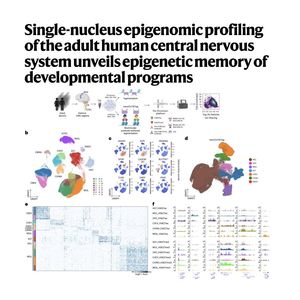
0Researchers have developed a comprehensive single-nucleus epigenomic atlas of the adult human central nervous system to understand how chromatin states regulate cellular diversity. By analyzing various regions like the motor cortex, cerebellum, and spinal cord, the study identified distinct patterns of chromatin accessibility and histone modifications across major cell types. A significant discovery involves an epigenetic memory within adult oligodendrocytes and astrocytes, which retain signatures from their developmental stages. These signatures, specifically at HOX gene loci, remain "primed" for activation even when the genes are not actively being expressed. While this persistent memory may allow for rapid regeneration after injury, the authors suggest it also increases the risk of these cells transforming into cancerous gliomas. This work provides a vital resource for exploring how the epigenetic landscape influences both human health and neurological disease.
References:
Kabbe M, Agirre E, Carlström K E, et al. Single-nucleus epigenomic profiling of the adult human central nervous system unveils epigenetic memory of developmental programs[J]. Nature Neuroscience, 2026: 1-15.
