

 0
0 0
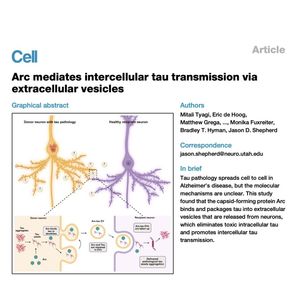
0The research explores how the neuronal protein Arc drives the spread of Alzheimer’s disease pathology by packaging toxic tau protein into extracellular vesicles (EVs). Through direct protein-protein interactions, Arc facilitates the release of seed-competent tau from neurons, enabling its transmission to healthy recipient cells. Findings in both mouse models and human postmortem brains demonstrate a strong correlation between Arc levels and the presence of phosphorylated tau within these vesicles. While this process may initially help donor neurons eliminate internal toxins, it ultimately promotes the wider intercellular transmission of neurodegenerative aggregates. Conversely, the absence of Arc significantly reduces the spread of tau, though it leads to increased localized intracellular accumulation and cell death. This discovery identifies Arc as a critical molecular mediator of tauopathy and suggests new therapeutic targets for interrupting the progression of dementia.
References:
Tyagi M, de Hoog E, Grega M, et al. Arc mediates intercellular tau transmission via extracellular vesicles[J]. Cell, 2026.
