

 4152
4152 43
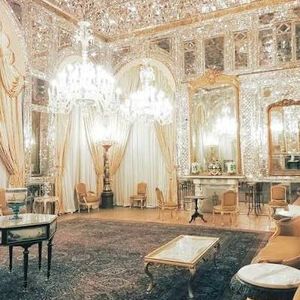
43伊朗德黑兰的格勒斯坦宫,在今年空袭中,镜厅被震碎了千万片镜子。这座世界遗产,见证了19世纪凯加王朝一段罕见的城市化实验。那时的国王纳赛尔丁沙痴迷于巴黎的宏伟,想将中世纪面貌的德黑兰彻底改造。而玫瑰宫就是他最重要的试验田。这场国王的“巴黎梦”究竟如何展开?内向的波斯花园传统,如何与外向的欧洲林荫大道逻辑激烈冲撞?一个君主用欧洲的建筑形式,装载伊朗的精神内核,是妙策还是困境?我们回溯这段历史,看一座宫殿如何折射出一个文明面对现代化冲击时的雄心、矛盾与张力。
00:04:15:波斯花园的地位
00:06:16:德黑兰城市与社群关系的交织
00:08:18:德黑兰的咖啡馆与西欧的公共领域
00:10:25:德黑兰的居住与街道
00:12:26:巴黎的文化洗礼
00:19:50:上层精英的物质文化印象
00:22:22:从隐藏的君主到公共仪式的中心
00:24:49:玫瑰宫的建设与国家现代化之路
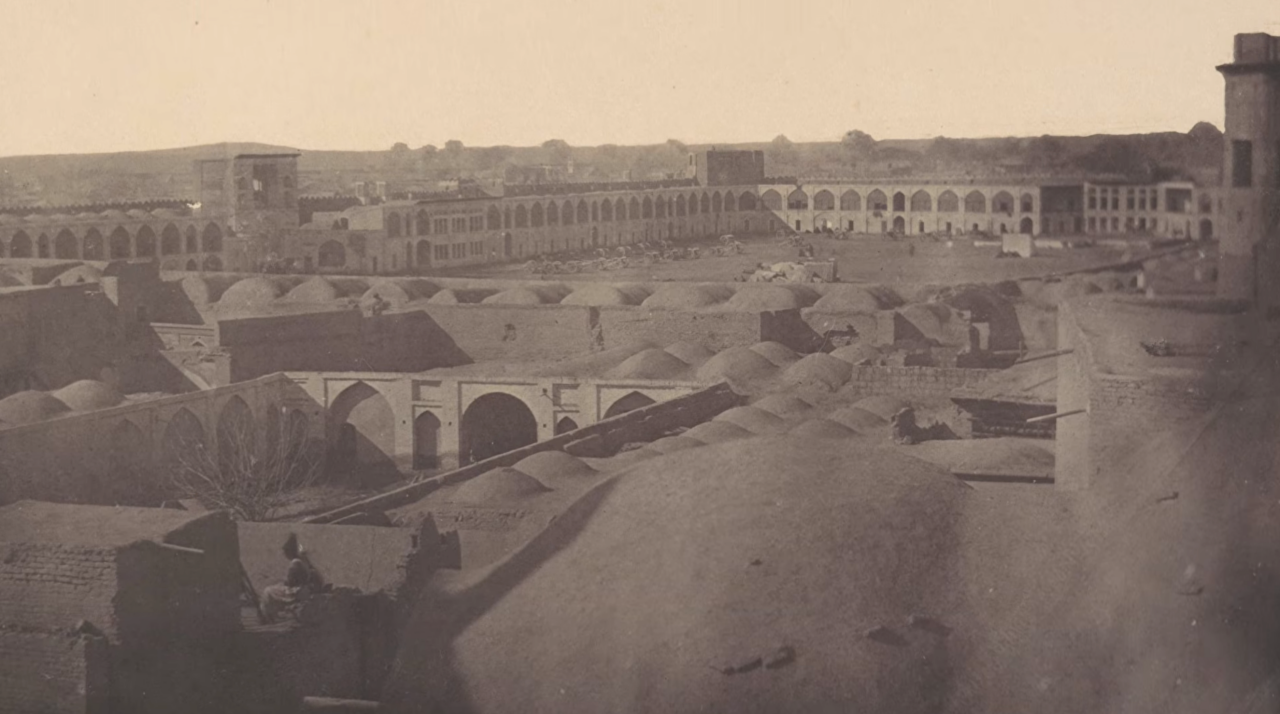
德黑兰,Luigi Pesce拍摄于1850年代
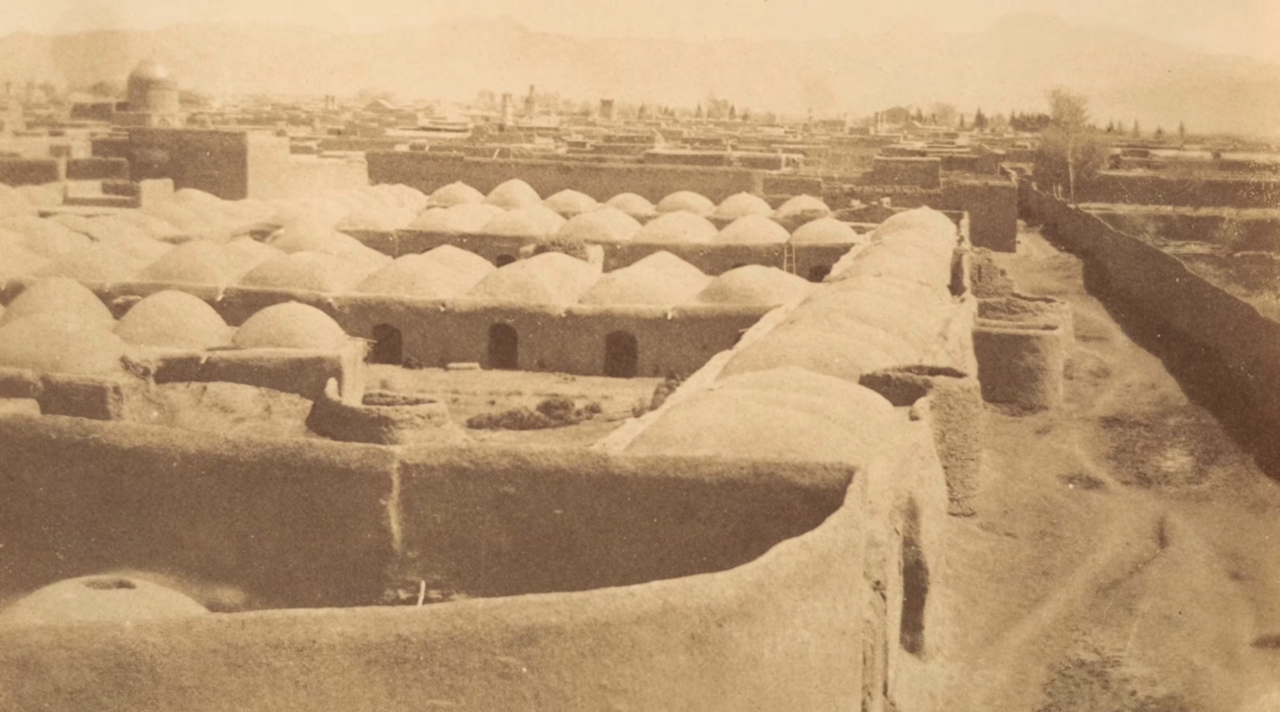
德黑兰南门附近,Luigi Pesce拍摄于1850年代
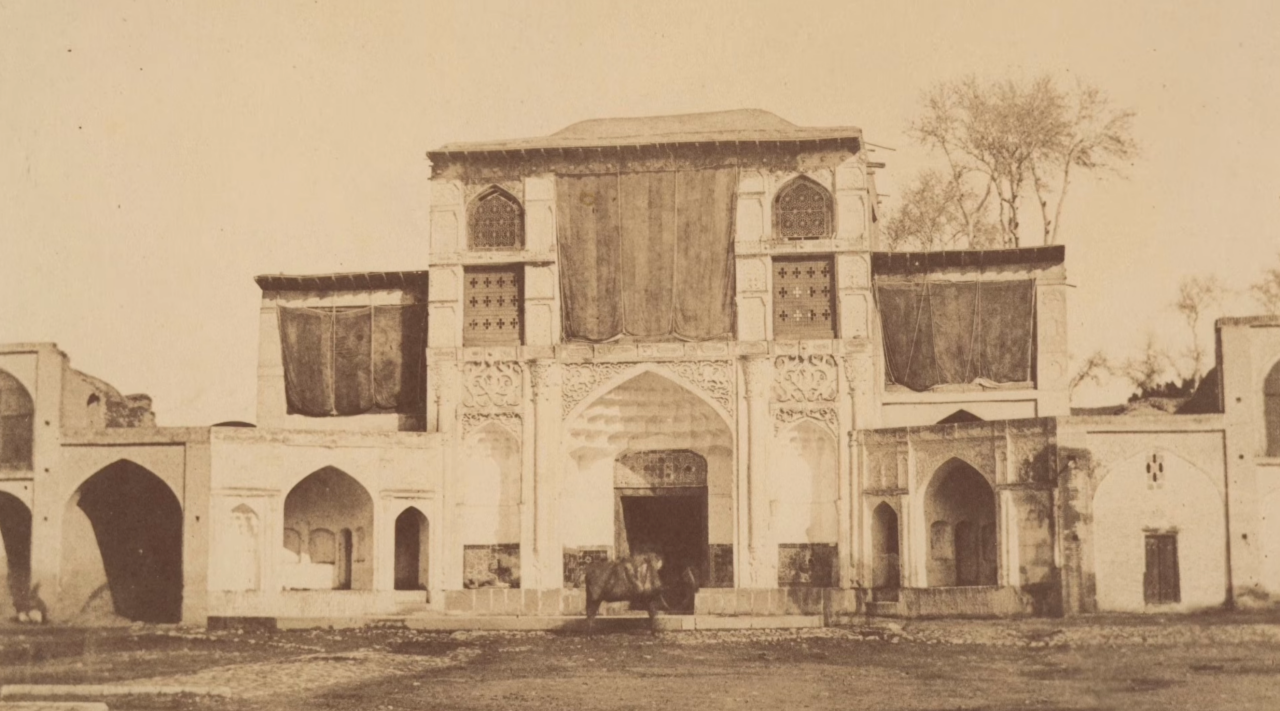
德黑兰宫廷建筑,Luigi Pesce拍摄于1850年代
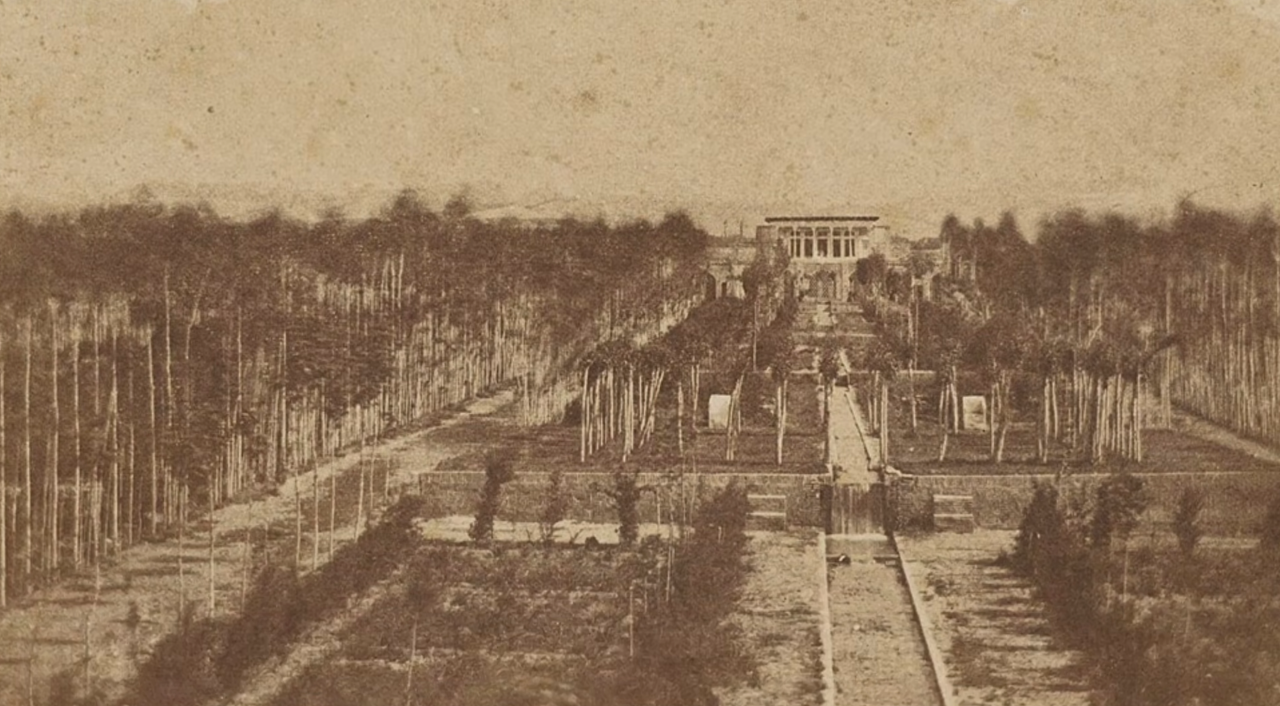
在德黑兰的花园,Luigi Pesce拍摄于1850年代
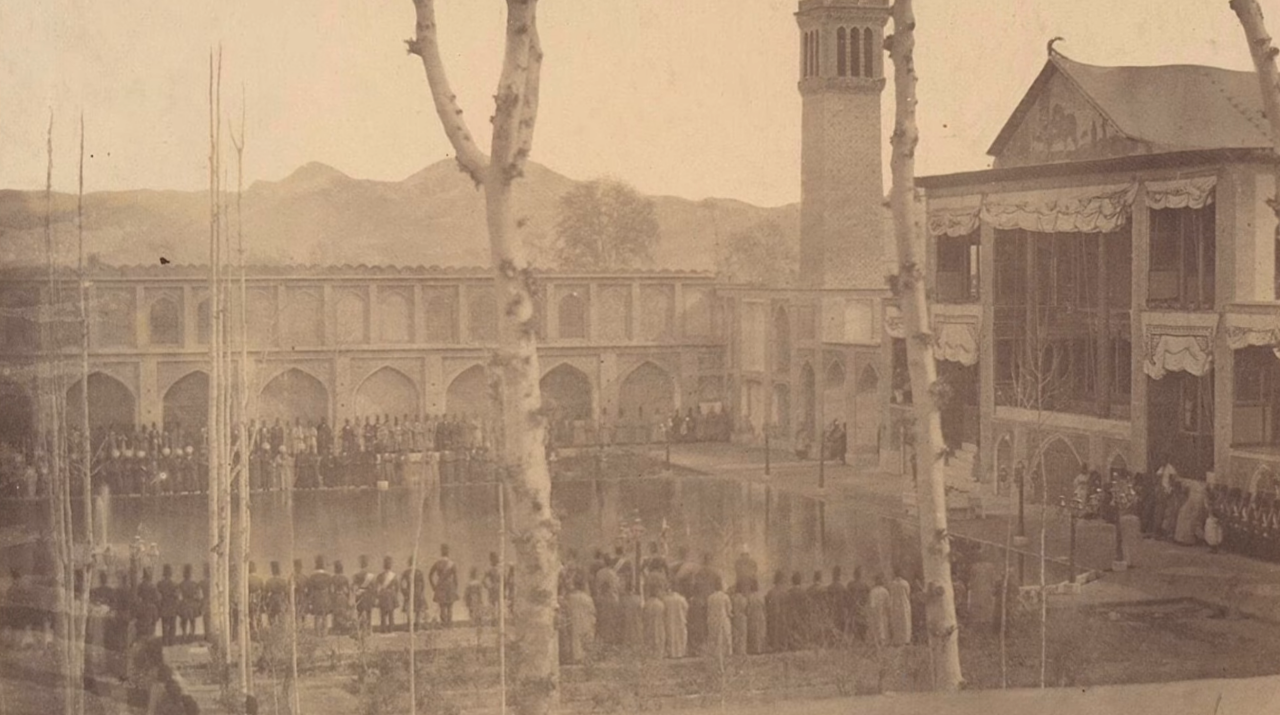
德黑兰的宫廷建筑,Luigi Pesce拍摄于1850年代
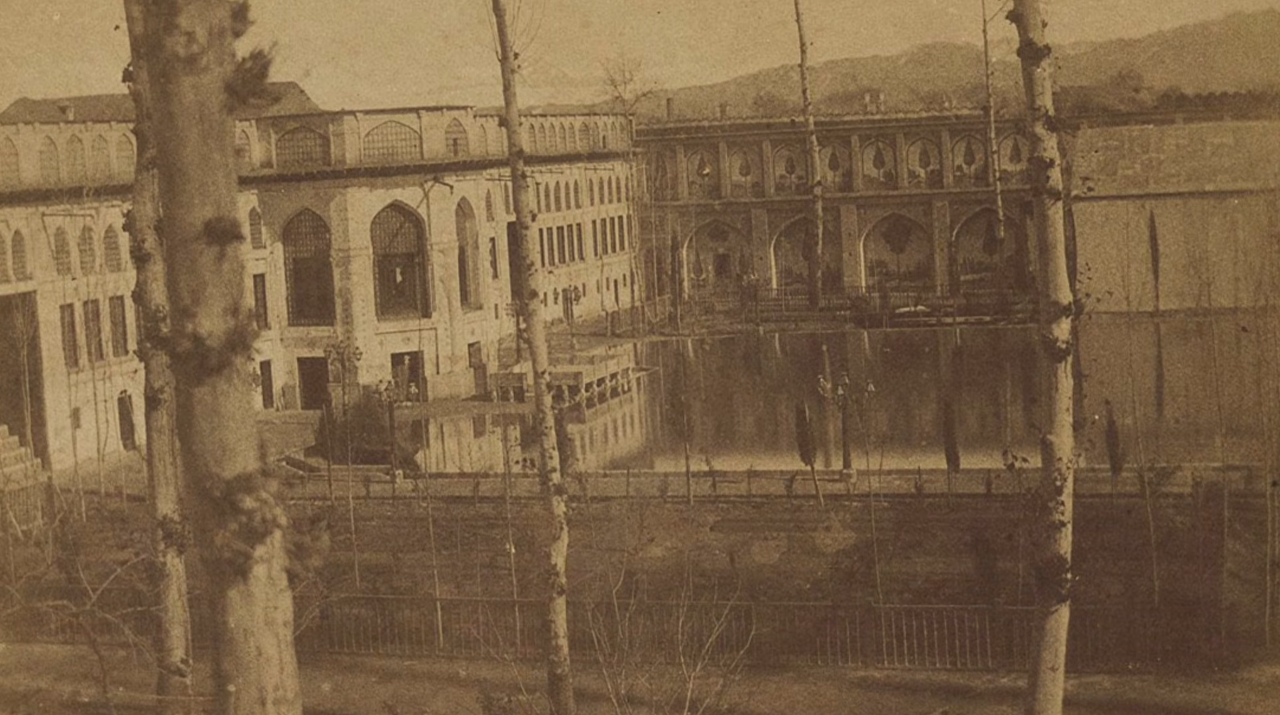
德黑兰玫瑰宫,Luigi Pesce拍摄于1850年代
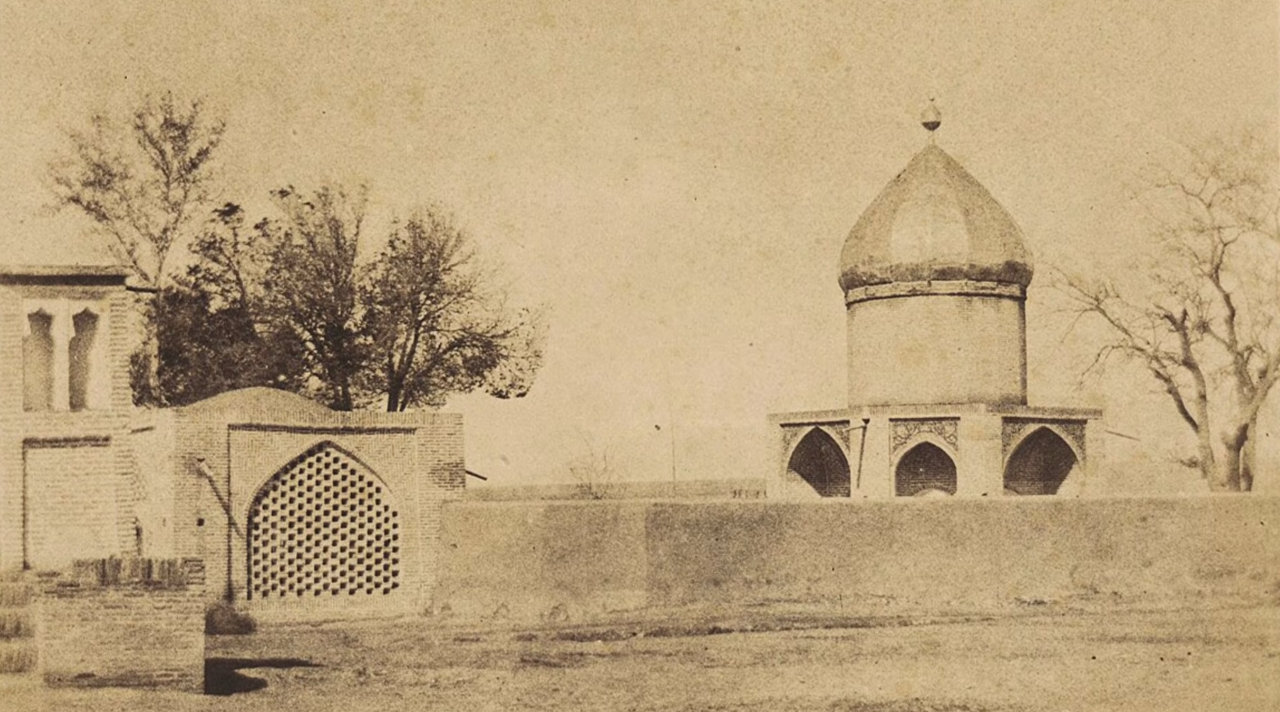
Tomb of the Khan of Khiva with fortifications,Luigi Pesce拍摄于1850年代
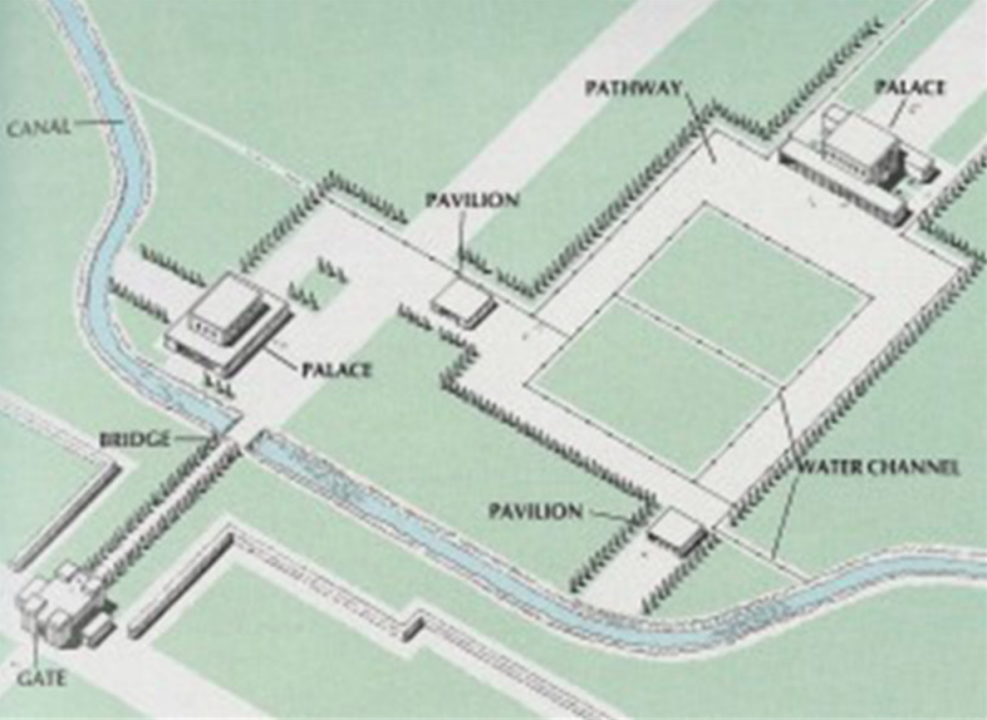
居鲁士时期帕萨尔加德花园的布局
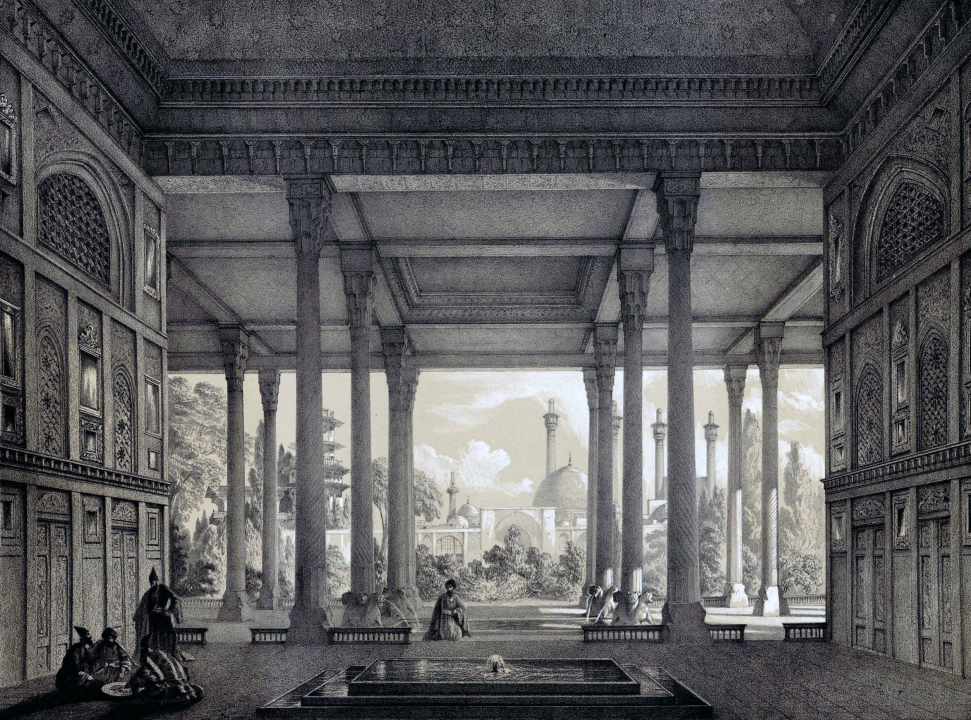
法国建筑师Eugène Flandin绘于1840年的四十柱宫
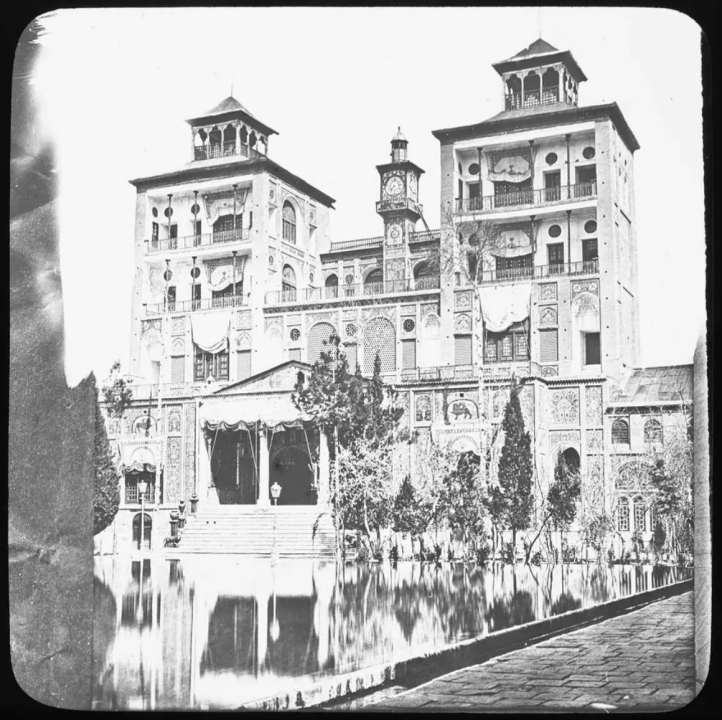
玫瑰宫内的太阳宫,融合了波斯和欧洲的建筑风格,拍摄于1884
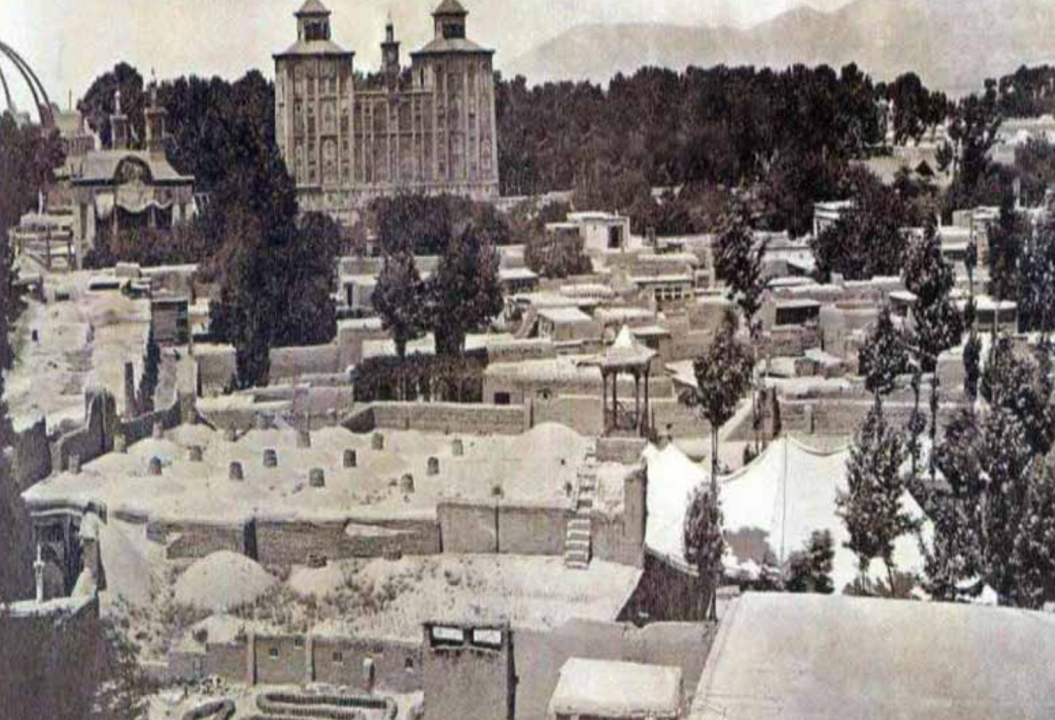
在德黑兰城区中的太阳宫,摄影年代不详
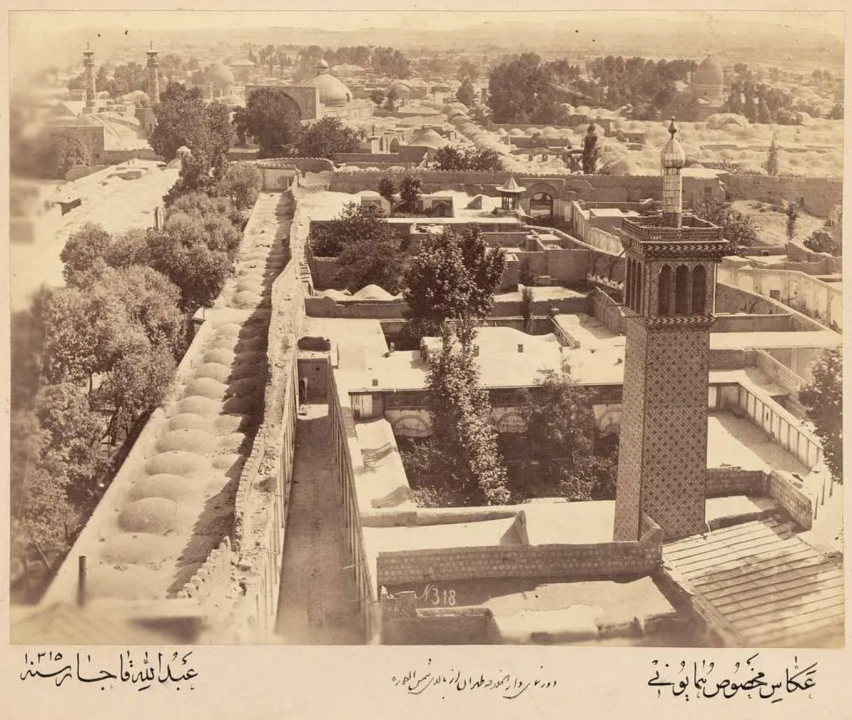
从太阳宫看向德黑兰,拍摄于1897-1898
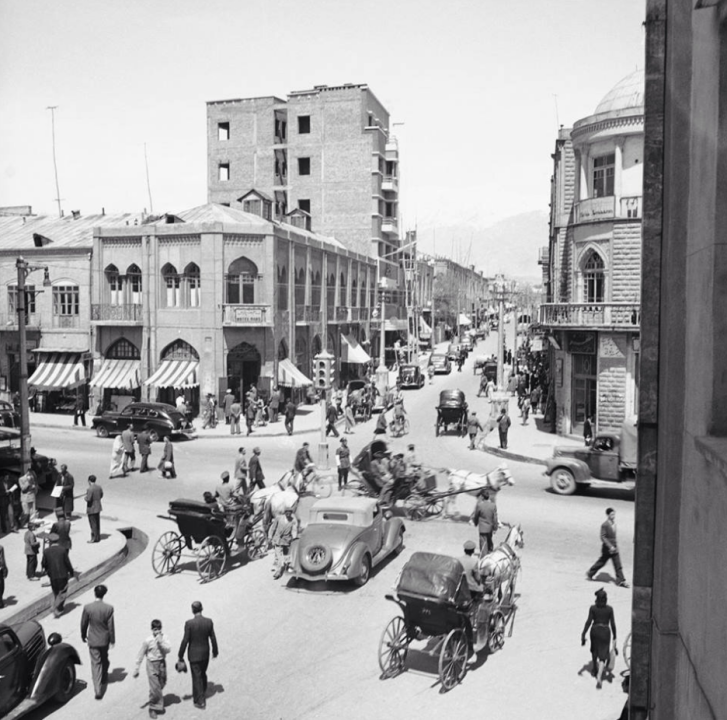
拉莱扎尔街,德黑兰的香榭丽舍大道,年代不详
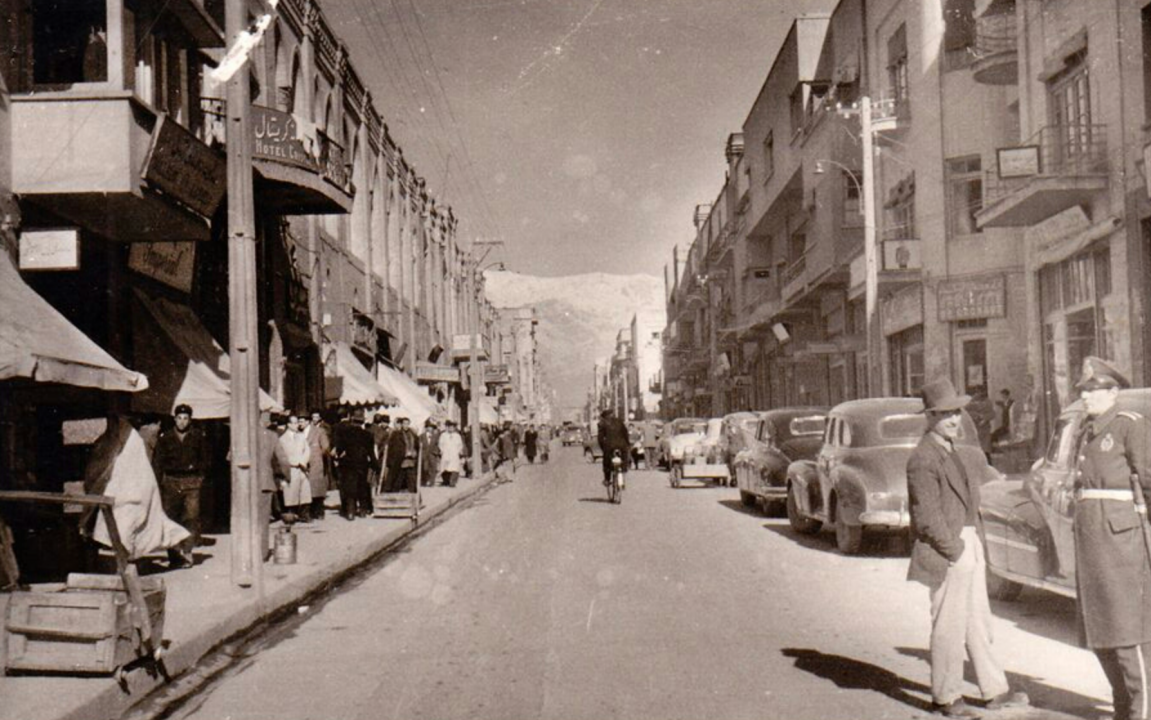
1940年代的拉莱扎尔街头,向北望去尽头是高耸的Damavand山脉
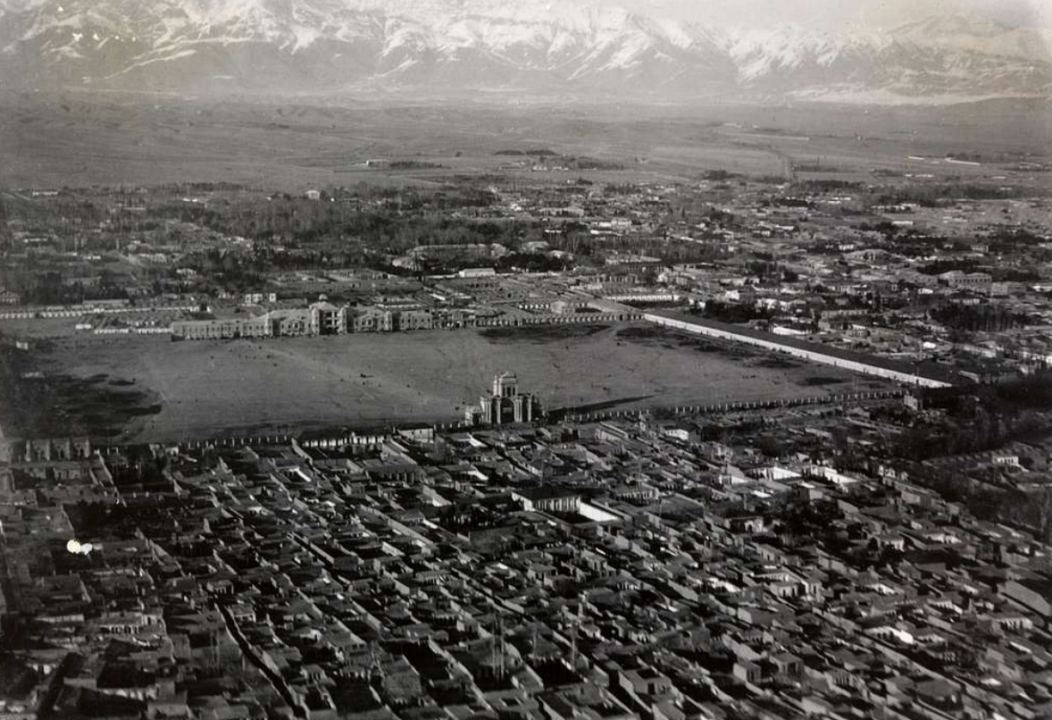
一位瑞士飞行员Mittelholzer在1924-1925年期间从飞行高空拍摄的德黑兰
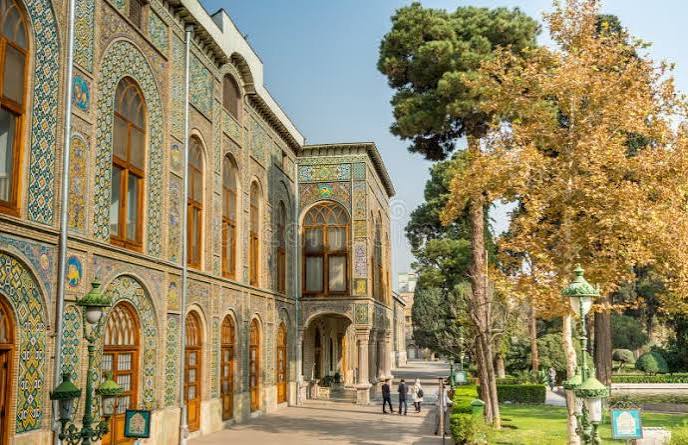
伊朗历史上第一座博物馆厅(Talar-e Salam)
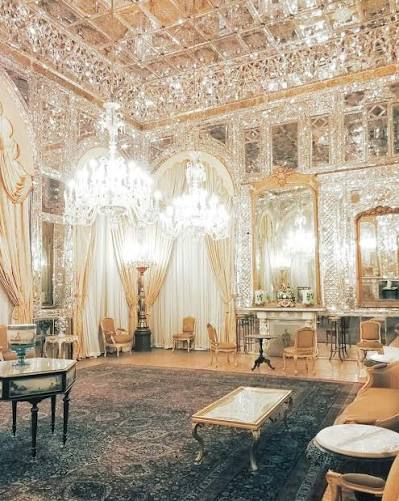
玫瑰宫的镜厅
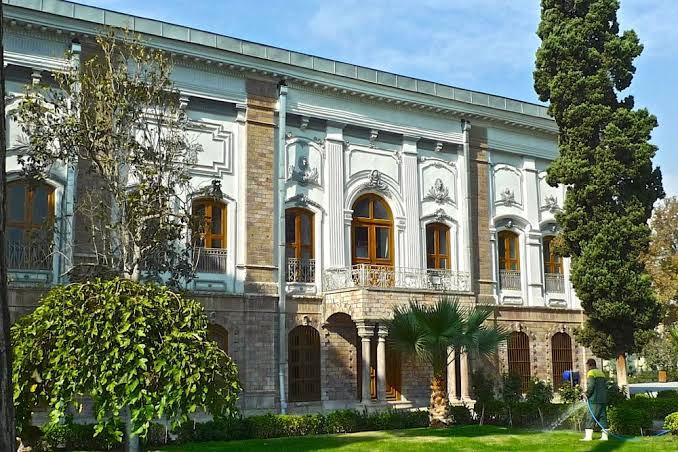
玫瑰宫西南角的白宫(Kakh-e Abyaz)
音乐:Arshid Azarine. “Tabriz - Erevan - Te-he-ran (Live).” Track 1 on Trio + Guests (LIVE). Melmax Music, 2026.
参考文献:
Archnet. “Authority: Tehran.” Accessed August 23, 2026. www.archnet.org.
Britannica. “Tehrān.” www.britannica.com.
Cole, Margherita. “These Rare Daguerrotypes Are the Earliest Surviving Photos of Iran in the 1850s.” My Modern Met, October 18, 2023. mymodernmet.com.
Elass, Rasha. “How Paris Bedazzled a Persian King.” Tehran Bureau, October 19, 2020. tehranbureau.com.
Fathi, Samira. “From Vision to Reality: Tehran’s Urban Expansion Under Naser al-Din Shah (1848–96).” International Journal of Islamic Architecture 12, no. 1 (2023): 71–99. doi.org.
Habermas, Jürgen. The Structural Transformation of the Public Sphere: An Inquiry into a Category of Bourgeois Society. Translated by Thomas Burger. Cambridge, MA: MIT Press, 1989. (Original work published 1962.)
Katouzian, Homa. State and Society in Iran: The Eclipse of the Qajars and the Emergence of the Pahlavis. London: I.B. Tauris, 2000.
Mahallāti, Mirzā Mohammad ‘Ali (Hājj Sayyāh). Khāterāt-e Hājj Sayyāh. Edited by Hamīd Sayyād. Tehran: Ibn-i Sīnā, 1967.
Nāṣir al-Dīn Shāh (Naser al-Din Shah Qajar). The Diary of H.M. the Shah of Persia, during His Tour through Europe in A.D. 1873. Translated by J.W. Redhouse. London: J. Murray, 1874.
Rezvani Naraghi, Ashkan. A Social History of Modern Tehran: Space, Power, and the City. The Global Middle East Series. Cambridge, UK: Cambridge University Press, 2023.
Shirazi, Reza. “‘The Orient Veneered in the Occident’: Naserid Tehran in the Eyes of European Travellers.” In Routledge Handbook on Tehran. London: Routledge, 2015. www.taylorfrancis.com.
The Metropolitan Museum of Art. “Outer Entrance to the King’s Palace, Teheran.” Luigi Pesce (Italian, 1818–1891). Accessed August 23, 2026. www.metmuseum.org.
UNESCO World Heritage Centre. “Golestan Palace.” whc.unesco.org.
Wikipedia. “Demographics of Tehran.” en.wikipedia.org.
Wikipedia. “Diary of H.M. the Shah of Persia During His Tour Through Europe in A.D. 1873.” en.wikipedia.org.
Wikipedia. “Heghnar Zeitlian Watenpaugh.” en.wikipedia.org.
Wikipedia. “James Justinian Morier.” en.wikipedia.org.
Wikipedia. “Laleh-Zar Street.” en.wikipedia.org.
Wikipedia. “Paradise Garden.” en.wikipedia.org.
Wikipedia. “Persian Gardens.” en.wikipedia.org.
Wikipedia. “Timeline of Tehran.” en.wikipedia.org.
Watenpaugh, Heghnar Zeitlian. “The Harem as Urban Space: The Image of the Islamic City and the Politics of Space.” In The City in the Islamic World, edited by Salma K. Jayyusi, Renata Holod, Attilio Petruccioli, and André Raymond, 763–787. Leiden: Brill, 2008.
Amanat, Abbas. Pivot of the Universe: Nasir al-Din Shah Qajar and the Iranian Monarchy, 1831–1896. Berkeley: University of California Press, 1997.