

 3
3 0
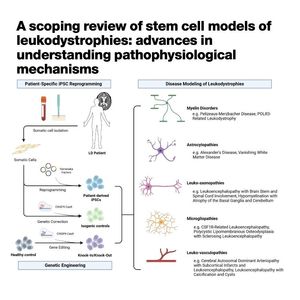
0This scoping review examines the transformative role of stem cell technology in the study of leukodystrophies, a complex group of genetic disorders that cause neurological decline by damaging brain white matter. Because human brain tissue is difficult to access and animal models often fail to replicate human pathology, researchers increasingly utilize induced pluripotent stem cells (iPSCs) to create patient-specific models. These "disease-in-a-dish" platforms allow scientists to differentiate cells into various types, such as oligodendrocytes, astrocytes, and neurons, to observe the progression of over 100 different disease subtypes. The text highlights how these models provide critical insights into pathophysiological mechanisms and facilitate the testing of emerging gene therapies. While most studies focus on well-known conditions like Adrenoleukodystrophy (X-ALD) and Alexander Disease, many rare variations still lack established models. Ultimately, the review assesses recent progress and the remaining challenges in using these advanced tools to develop effective treatments for these debilitating disorders.
References:
Chapleau A, Perrier S, Durcan T M, et al. A scoping review of stem cell models of leukodystrophies: advances in understanding pathophysiological mechanisms[J]. NPJ Genomic Medicine, 2025, 10(1): 77.
