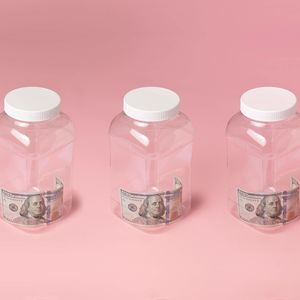
You know you want to save for that vacation, those new tires and more generally, the future. But what savings approach actually works? Certified financial planner Tania P. Brown recommends trying savings buckets. By creating separate categories — or buckets — for your savings, you can prioritize your goals, plan ahead and set rules for when you'll tap into each fund. In this episode, Brown shares tips on building sinking funds and emergency funds, as well as other types of savings accounts, so you can stay motivated and on track with your financial goals.
1. Use "Savings Buckets" (or Sinking Funds) / 使用“储蓄水桶”(或沉没资金/专项储蓄) Instead of keeping all your savings in one pooled account, separate your money into sub-categories or "buckets" with dedicated purposes (e.g., vacation, car maintenance, new tires, home repairs). 不要把所有存款都堆在一个大账户里,而是将资金划分为具名专款专用的“子类别”或“水桶”(例如:度假、汽车保养、换新轮胎、房屋维修)。 • The Benefit / 核心好处: Earmarking money for specific future goals creates a psychological barrier that makes you less likely to spend it on impulse purchases. 为未来的具体目标指定专款,能在心理上建立一道屏障,降低你因冲动消费而挥霍这笔钱的概率。 2. Separate Sinking Funds from Emergency Funds / 将“专项预备金”与“紧急应变金”分开 • Sinking Funds (专项预备金): Intended for predictable or expected short-to-medium-term expenses (e.g., upcoming car maintenance, annual subscriptions, holiday spending, planned medical procedures). 用于可预测或预期的中短期开支(如:即将到来的汽车保养、年度订阅费、节日消费、计划内的医疗费用)。 • Emergency Funds (紧急应变金): Reserved strictly for true, unpredictable life disruptions (e.g., unexpected job loss, major illness, sudden home/appliance disaster). 严格仅用于突发且不可预测的重大生活变故(如:意外失业、重大疾病、突发房屋或家电损坏)。 3. Smooth Out Short-Term Spending / 平摊短期开支压力 Rather than getting caught off-guard by seasonal or annual expenses (like holiday gifts or routine car maintenance), break the target total into predictable monthly automated contributions. Smoothing these expenses out prevents them from feeling like financial emergencies. 与其在季节性或年度开支(如节日礼物、定期车检)到来时手忙脚乱,不如将目标总额拆解为每月自动划拨的固定金额。平摊这些开支能避免它们演变成财务“紧急状况”。 4. Keep Short-Term Savings Liquid / 保持短期储蓄的流动性 Money designated for short-term goals or emergencies should remain in accessible, low-risk accounts like traditional or high-yield savings accounts rather than volatile investments. 用于短期目标或紧急应变的资金应保存在高流动性、低风险的账户中(如普通储蓄账户或高收益储蓄账户),而非投入高波动性的投资市场中。

 1016·
1016· 1
1
Instead of keeping all your savings in one pooled account, separate your money into sub-categories or "buckets" with dedicated purposes (e.g., vacation, car maintenance, new tires, home repairs).
不要把所有存款都堆在一个大账户里,而是将资金划分为具名专款专用的“子类别”或“水桶”(例如:度假、汽车保养、换新轮胎、房屋维修)。
• The Benefit / 核心好处:
Earmarking money for specific future goals creates a psychological barrier that makes you less likely to spend it on impulse purchases.
为未来的具体目标指定专款,能在心理上建立一道屏障,降低你因冲动消费而挥霍这笔钱的概率。
2. Separate Sinking Funds from Emergency Funds / 将“专项预备金”与“紧急应变金”分开
• Sinking Funds (专项预备金):
Intended for predictable or expected short-to-medium-term expenses (e.g., upcoming car maintenance, annual subscriptions, holiday spending, planned medical procedures).
用于可预测或预期的中短期开支(如:即将到来的汽车保养、年度订阅费、节日消费、计划内的医疗费用)。
• Emergency Funds (紧急应变金):
Reserved strictly for true, unpredictable life disruptions (e.g., unexpected job loss, major illness, sudden home/appliance disaster).
严格仅用于突发且不可预测的重大生活变故(如:意外失业、重大疾病、突发房屋或家电损坏)。
3. Smooth Out Short-Term Spending / 平摊短期开支压力
Rather than getting caught off-guard by seasonal or annual expenses (like holiday gifts or routine car maintenance), break the target total into predictable monthly automated contributions. Smoothing these expenses out prevents them from feeling like financial emergencies.
与其在季节性或年度开支(如节日礼物、定期车检)到来时手忙脚乱,不如将目标总额拆解为每月自动划拨的固定金额。平摊这些开支能避免它们演变成财务“紧急状况”。
4. Keep Short-Term Savings Liquid / 保持短期储蓄的流动性
Money designated for short-term goals or emergencies should remain in accessible, low-risk accounts like traditional or high-yield savings accounts rather than volatile investments.
用于短期目标或紧急应变的资金应保存在高流动性、低风险的账户中(如普通储蓄账户或高收益储蓄账户),而非投入高波动性的投资市场中。