

 0
0 0
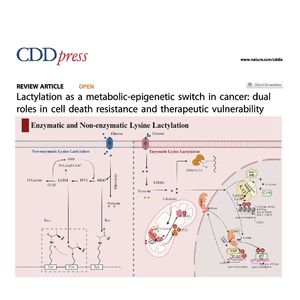
0This review identifies protein lactylation as a transformative "metabolic translator" that converts high lactate levels in the tumor microenvironment into stable programs of cancer treatment resistance. The authors explain how this post-translational modification occurs through both enzymatic pathways, involving writers like AARS1/2 and KATs, and non-enzymatic processes driven by glycolytic byproducts. This molecular switch orchestrates intrinsic resistance by enhancing DNA repair and ferroptosis evasion, while simultaneously driving extrinsic resistance through immune suppression and pathological angiogenesis. Research highlights that targeting this network—using LDHA inhibitors, site-specific blockers, or epigenetic modulators—can effectively restore tumor sensitivity to chemotherapy and immunotherapy. Ultimately, the sources position lactylomic signatures as vital predictive biomarkers and a new frontier for precision oncology.
References:
Yang C, Yang R, Zheng B, et al. Lactylation as a metabolic-epigenetic switch in cancer: dual roles in cell death resistance and therapeutic vulnerability[J]. Cell Death & Disease, 2026, 17(1): 298.
