

 0
0 0
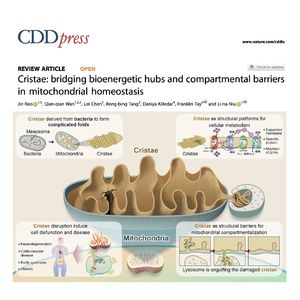
0This review explores the biological significance and structural organization of mitochondrial cristae, which function as critical bioenergetic hubs and compartmental barriers. These membrane folds maximize surface area for ATP synthesis while utilizing unique lipids like cardiolipin and protein networks like MICOS and OPA1 to maintain stability. The text highlights how cristae are dynamic entities that remodel in response to metabolic needs, reflecting an evolutionary link to bacterial ancestors. Disruptions in this delicate architecture are central to the development of neurodegenerative, cardiovascular, and metabolic diseases. Ultimately, understanding these internal structures offers a path toward novel therapeutic strategies for restoring mitochondrial health and cellular homeostasis.
References:
Rao J, Wan Q, Chen L, et al. Cristae: bridging bioenergetic hubs and compartmental barriers in mitochondrial homeostasis[J]. Cell Death & Disease, 2026.
