

 1
1 0
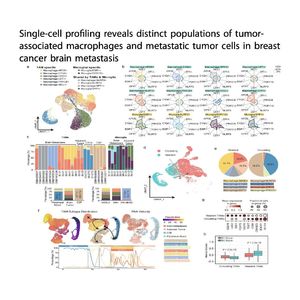
0This research article examines the molecular and cellular dynamics of breast cancer brain metastasis using high-resolution single-cell and bulk DNA sequencing. The study identifies 63 distinct cell clusters, highlighting a significant shift in tumor-associated macrophages from inflammatory circulating phenotypes to immunosuppressive tissue-resident states. Analysis of metastatic tumor cells reveals a "neuro-related" subtype that adapts to the brain by hijacking neuronal signaling pathways and increasing cell adhesion. The authors identify GABRB3 and NRXN1 as critical mutated genes that are significantly enriched in brain metastases compared to primary tumors. Functional experiments demonstrate that silencing these two genes effectively impairs tumor growth and reduces the formation of metastatic foci in the brain. Ultimately, these findings nominate specific genomic markers and immune interactions as promising therapeutic targets for managing advanced breast cancer.
References:
Shi H, Chen J, Wu Z, et al. Single-cell profiling reveals distinct populations of tumor-associated macrophages and metastatic tumor cells in breast cancer brain metastasis[J]. Cell Death & Disease, 2026.
