

 0
0 0
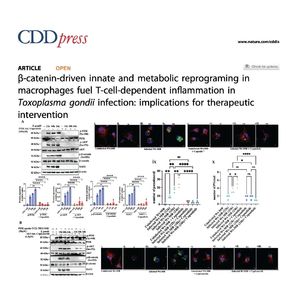
0This scientific paper describe a study published in Cell Death and Disease regarding how the parasite Toxoplasma gondii manipulates host immune cells to ensure its own survival. The research identifies that the parasite hijacks a specific signaling pathway involving PI3K, AKT, and β-catenin within macrophages to promote replication and trigger T-cell-dependent inflammation. By activating this axis, the parasite causes mitochondrial dysfunction and elevated reactive oxygen species, which leads to inflammasome activation and metabolic reprogramming toward a pro-inflammatory state. Conversely, the authors demonstrate that genetic or pharmacological inhibition of β-catenin effectively stalls parasite growth and shifts the host environment to an anti-inflammatory state. These findings highlight the β-catenin pathway as a critical regulator of the host-parasite interface and a viable target for therapeutic intervention against toxoplasmosis.
References:
Kumari G, Kumar A, Muduli R, et al. β-catenin-driven innate and metabolic reprograming in macrophages fuel T-cell-dependent inflammation in Toxoplasma gondii infection: implications for therapeutic intervention[J]. Cell Death & Disease, 2026, 17(1): 568.
