

 0
0 0
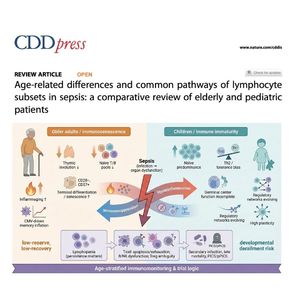
0This review article examines how sepsis uniquely impacts the immune systems of elderly and pediatric patients, focusing on the failure of lymphocyte subsets. While both age groups experience immunosuppression and lymphopenia, the underlying causes differ: older adults face immunosenescence and low recovery reserves, whereas children experience a derailment of their developing immune programs. The authors argue that similar clinical symptoms, such as secondary infections and persistent inflammation, actually represent distinct biological trajectories based on the patient's age. To address these differences, the text proposes age-stratified immune monitoring and the use of longitudinal biomarkers to guide personalized treatments. Ultimately, the research suggests that immunoadjuvant therapies must be carefully timed and tailored to avoid the failures of past "one-size-fits-all" clinical trials. This comprehensive framework aims to improve risk stratification and long-term survival outcomes for the most vulnerable septic patients.
References:
Wang X, Huang Q, Zuo Z, et al. Age-related differences and common pathways of lymphocyte subsets in sepsis: a comparative review of elderly and pediatric patients[J]. Cell Death & Disease, 2026.
