

 0
0 0
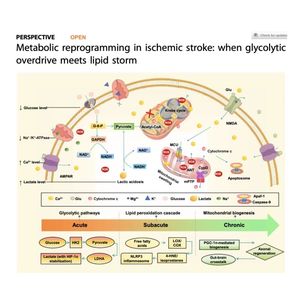
0This research introduces Metabolic Reprogramming in Ischemic Stroke (MRIS) as a unifying framework that redefines stroke as a systemic bioenergetic failure rather than a localized vascular event. The authors describe a chronological progression of damage, beginning with an acute glycolytic crisis and energy collapse that transitions into a subacute "lipid storm" driven by toxic peroxidation. This metabolic shift impacts various cell types, turning astrocytes and microglia from neural supporters into drivers of neuroinflammation through metabolite accumulation. Crucially, the text highlights a bidirectional crosstalk between the brain and peripheral organs, where the gut, liver, and adipose tissue influence the brain's inflammatory state and recovery potential. Understanding these vascular-metabolic pathways allows for the identification of specific biomarkers and the development of precision therapies. Ultimately, the source argues that targeting metabolic plasticity can transform stroke from an untreatable injury into a modifiable disorder.
References:
Wang Y, Ge M, Wang J, et al. Metabolic reprogramming in ischemic stroke: when glycolytic overdrive meets lipid storm[J]. Cell death & disease, 2025, 16(1): 788.
