

 0
0 0
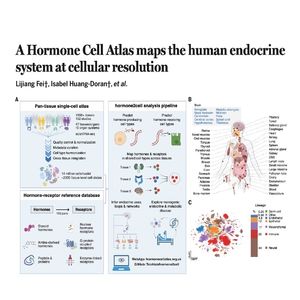
0Researchers have established the Hormone Cell Atlas, a comprehensive digital map detailing endocrine signaling across 47 healthy human tissues at single-cell resolution. By analyzing transcriptomic data from millions of cells, the study identifies 162 hormones and their corresponding receptors to predict where chemical messengers are produced and received. This resource reveals that hormone production is more widespread than previously thought, uncovering unexpected activity in immune cells and specialized roles for adipocytes in obesity and development. The atlas also maps genes linked to monogenic metabolic disorders, providing a framework to understand how diseases disrupt hormonal balance. Furthermore, the data helps explain the cardiovascular effects of modern weight-loss medications by pinpointing receptor locations in heart tissue. Ultimately, this open-access tool serves as a foundational reference for studying human physiology and identifying new therapeutic targets.
References:
Fei L, Huang-Doran I, Lawler K, et al. A Hormone Cell Atlas maps the human endocrine system at cellular resolution[J]. Science, 2026: eaeb2672.
