

 1
1 0
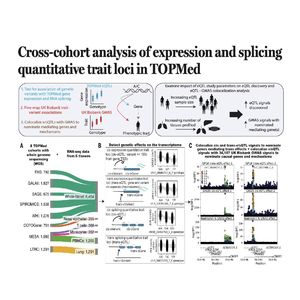
0The TOPMed program conducted a massive cross-cohort analysis of over 14,000 RNA-sequencing samples to identify genetic variants that regulate gene expression (eQTLs) and RNA splicing (sQTLs). By utilizing a diverse, multi-ethnic dataset and large sample sizes—particularly in whole blood and lung tissues—researchers discovered tens of thousands of previously unknown secondary signals that were missed by smaller studies. These findings were integrated with GWAS data from the UK Biobank to pinpoint specific genes and molecular mechanisms responsible for complex human diseases and traits. The study reveals that signal discovery is far from saturated, suggesting that even larger genomic analyses will continue to uncover the functional impacts of rare and noncoding genetic variants. Ultimately, this high-resolution resource enhances the ability to translate genetic associations into actionable biological insights across diverse global populations.
References:
Orchard P, Blackwell T W, Kachuri L, et al. Cross-cohort analysis of expression and splicing quantitative trait loci in TOPMed[J]. Science, 2026, 393(6808): eadx2989.
