

 3
3 0
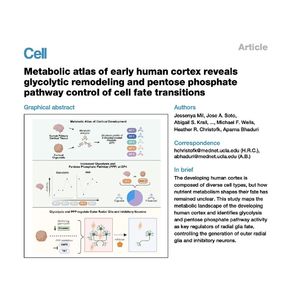
0This study introduces a comprehensive metabolic map focused on the growth of the human neocortex and cortical organoids. Researchers discovered that glucose metabolism acts as a primary driver in determining the developmental path of various brain cells. Specifically, the pentose phosphate pathway (PPP) and glycolysis were identified as essential regulators for the transition of radial glia into more specialized cell types. By manipulating these chemical pathways, the authors showed they could shift the cellular makeup of brain tissue. Furthermore, the administration of ribose was found to reverse the negative effects caused by metabolic disruption. Ultimately, these findings highlight how nutrient availability and energy processing directly shape early brain architecture.
References:
Mil J, Soto J A, Krall A S, et al. Metabolic atlas of early human cortex reveals glycolytic remodeling and pentose phosphate pathway control of cell fate transitions[J]. Cell, 2026.
