

 0
0 0
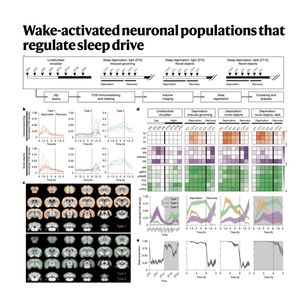
0Researchers have identified specialized neuronal populations in the median raphe and the anterior medial preoptic area that act as key regulators of sleep drive in mice. By using whole-brain activity mapping and genetic manipulations, the study demonstrates that these cells become increasingly active during prolonged wakefulness to signal a growing need for rest. Chemogenetic activation of these neurons successfully induces deep sleep, while inhibiting them significantly reduces sleep and prevents the typical behavioral urge to sleep after deprivation. Remarkably, mice with chronic inhibition maintained high levels of arousal and cognitive function despite losing nearly 70% of their normal sleep time. These findings reveal a neural circuit mechanism that governs the homeostatic pressure to sleep and provides new insights into how the brain manages sleep debt.
References:
Joo W, Diester C, Bitsikas V, et al. Wake-activated neuronal populations that regulate sleep drive[J]. Nature, 2026: 1-11.
