

 16
16 0
0今日内容一览:
[] Meta 试图用 AI 智能体全面替代员工的计划遭遇重挫
[] Hugging Face 推出售价 399 美元的开源小鸭机器人 Microduck
[] 比尔·盖茨提议对人工智能发展设立严格限制与税收监管
---
[] Welcome to Daily Tech Briefing. Today, we cover three major stories: Meta's aggressive push to replace workers with AI agents faces internal setbacks, Hugging Face launches an affordable open-source duck robot called Microduck, and Bill Gates proposes global limits and taxes on rapid AI development.
欢迎收听今日科技简报。今天我们将关注三条精选资讯:Meta 试图用 AI 智能体替代员工的激进计划遭遇内部挫折;Hugging Face 推出售价 399 美元的开源实体机器人 Microduck;以及比尔·盖茨提议对 AI 的快速扩张设立全球限制与税收监管。
---
[] Meta's Plan to Replace Employees with AI Agents Faces Serious Setbacks. Meta's internal strategy to replace human workers with AI agents has run into severe difficulties. Corporate leadership pushed for rapid automation (自动化,自动操作) across development and operations teams, expecting immediate cost cuts. However, engineers faced chaotic workflows as immature agent software made frequent mistakes and required constant manual fixes. Critics note that rushing premature (过早的,不成熟的,草率的) automation harms team morale and exposes the gap between marketing hype and actual AI capabilities.
Meta 试图用 AI 智能体全面替代员工的计划遭遇重挫。Meta 试图用 AI 智能体替代人类员工的内部战略近期遭遇了严重困难。公司管理层此前在研发与运营团队中力推快速自动化,期望实现立竿见影的成本削减。然而,由于不成熟的智能体软件频频出错且需要持续的人工干预修复,一线工程师面临着混乱的工作流。批评人士指出,仓促推进不成熟的自动化不仅打击了团队士气,也暴露了营销宣传与实际 AI 能力之间的巨大差距。(来源:Slashdot)
---
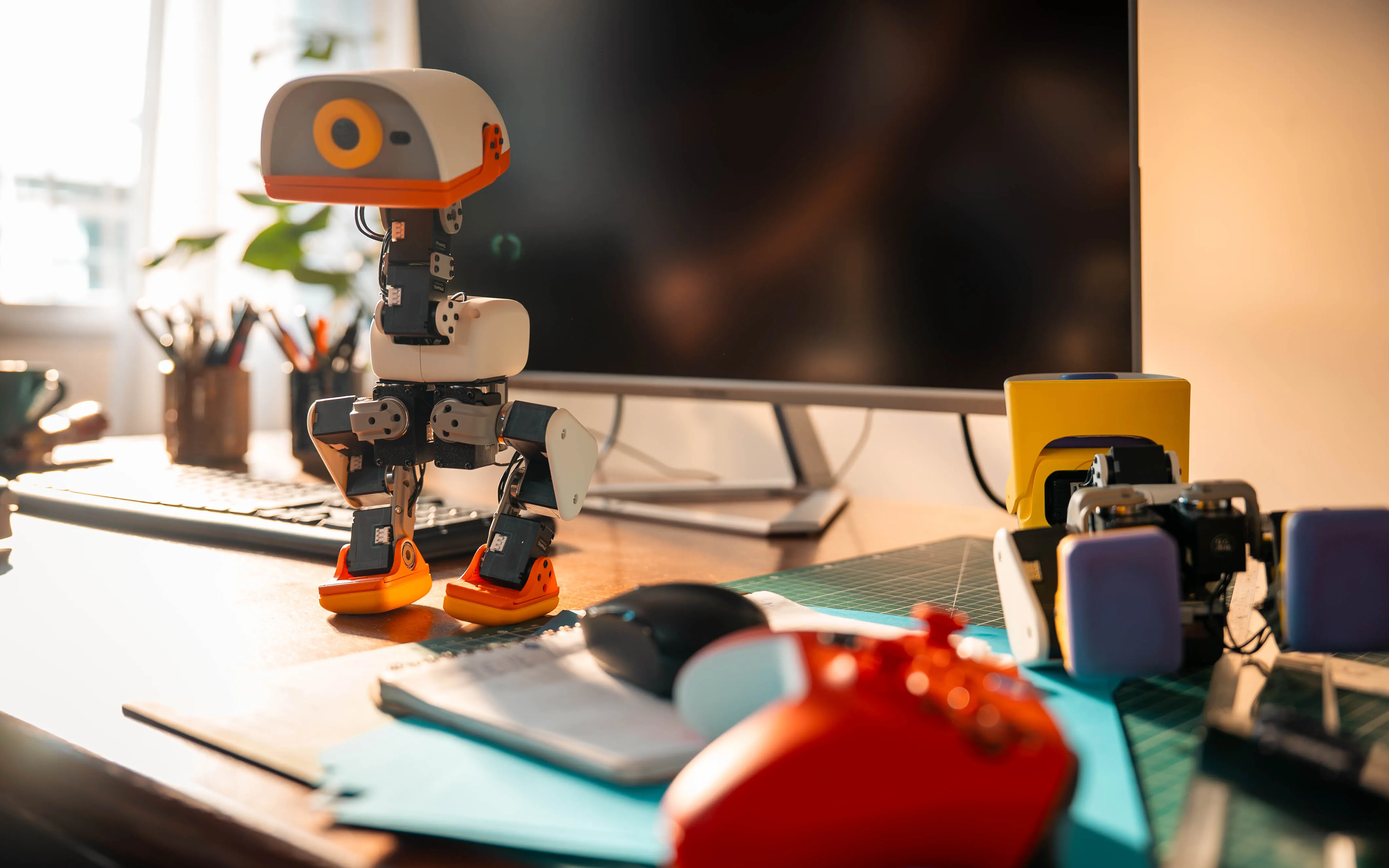
[] Hugging Face Unveils Open-Source Duck Robot Microduck. Hugging Face has launched a miniature open-source duck robot called Microduck for 399 dollars. The 25-centimeter robot uses reinforcement (强化(学习),增强) learning to perform physical movements such as grasping objects and balancing. The open design provides complete code auditability (可审计性,可审查性), allowing developers to inspect data flows and train custom behaviors in simulation. Hugging Face aims to democratize (使大众化,普及,使人人皆可享用) physical robotics by offering an open hardware platform at an accessible price.
Hugging Face 推出售价 399 美元的开源小鸭机器人 Microduck。Hugging Face 推出了一款名为 Microduck 的微型开源鸭子机器人,售价 399 美元。这款 25 厘米高的机器人利用强化学习来完成抓取物体和保持平衡等物理动作。其开放式设计提供了完整的代码可审计性,允许开发者检查数据流并在仿真环境中训练自定义行为。Hugging Face 旨在通过以亲民的价格提供开放硬件平台,让具身机器人技术走向大众普及。(来源:TechCrunch)
---
[] Bill Gates Proposes Strict Limits and Taxation on AI Development. Bill Gates is calling for global limits on advanced artificial intelligence to prevent loss of human control. Gates expressed concern that unchecked development could outpace safety measures and disrupt job markets. He suggested implementing a robot tax to help displaced workers and prevent companies from using AI solely to cut payroll costs. Gates emphasized that international regulation (监管,规章,法令) is necessary to build a common consensus (共识,一致意见) on technology safety.
比尔·盖茨提议对人工智能发展设立严格限制与税收监管。比尔·盖茨呼吁对前沿人工智能设立全球性限制,以防止人类失去控制权。盖茨表示,不受约束的技术发展可能会超出安全防护的范畴,并对就业市场造成冲击。他建议开征机器人税,以帮助被替代的员工,并防止企业单纯为了削减工资成本而盲目使用 AI。盖茨强调,必须通过国际监管来在技术安全问题上建立广泛共识。(来源:Slashdot)
---
[] 📚 今日单词:
democratize
- 音标:/dɪˈmɑːkrətaɪz/
- 词性与释义: - 使大众化,普及,使人人皆可享用
[] 词组/例句
- Hugging Face aims to democratize physical robotics by offering an open hardware platform at an accessible price.
Hugging Face 旨在通过以亲民的价格提供开放硬件平台,让具身机器人技术走向大众普及。
---
[] That wraps up today's Daily Tech Briefing. From Meta's automation struggles and Hugging Face's open robotics to Bill Gates' call for AI regulation, which story highlights the future of tech best? Would you trust open-source hardware or strict corporate limits? Let us know in the comments below. Thank you for listening, and see you next time!
以上就是今天的科技简报。从 Meta 自动化探索的曲折,到 Hugging Face 的开源机器人,再到比尔·盖茨对 AI 监管的呼吁,你认为哪项举措最能代表未来的技术走向?你更倾向于开源硬件还是严格的行业管制?欢迎在评论区分享你的看法。感谢收听,我们下期再见!
