

 0
0 0
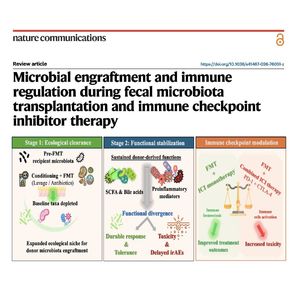
0This review article examines the role of fecal microbiota transplantation (FMT) in enhancing the effectiveness and safety of immune checkpoint inhibitors (ICIs) for cancer patients. The authors propose a two-stage model where successful treatment depends on clearing harmful recipient bacteria followed by the stable integration of beneficial donor microbes. Research indicates that specific microbial signatures, such as short-chain fatty acid producers, correlate with better tumor responses and reduced toxicity. Conversely, certain bacteria like Segatella copri may increase the risk of severe immune-related adverse events, particularly under intense combination therapies. The text emphasizes that moving toward function-guided donor selection and longitudinal monitoring is essential for personalizing microbiome-based oncology treatments. Ultimately, the source highlights how metabolic and immunological shifts driven by the gut ecosystem can determine a patient's therapeutic trajectory.
References:
Ninkov M, Maleki Vareki S. Microbial engraftment and immune regulation during fecal microbiota transplantation and immune checkpoint inhibitor therapy[J]. Nature Communications, 2026, 17(1): 7109.
