
 500
500 1
1Which foods will survive 2,000 years from now?
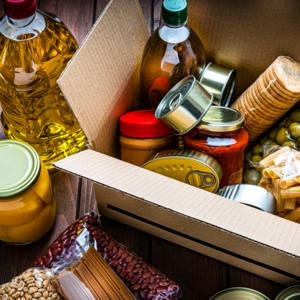
Imagine for a moment you've travelled 2,000 years into the future. Which human foods do you think would stand the test of time, and would any of it still be edible? To find out, we first need to understand what makes food go off.
想象一下,你已经穿越到了2000年后的未来。你认为哪些人类食物能经得起时间的考验,其中哪些是还可以食用的?要找出答案,我们首先需要了解是什么使食物变质。
Food preservation's main opponent is microbial growth. An expert in food chemistry, Michael Sulu, says most foods spoil for that reason. When things like bacteria, mould and yeast grow on your food, it can become pathogenic, and food causing disease is best avoided! So, how can we limit their growth?
食品保存的主要对手是微生物生长。食品化学专家迈克尔·苏鲁说,大多数食品变质的原因就在于此。当食物上滋生细菌、霉菌和酵母菌时,就会产生致病菌,最好避免食用会致病的食物!那么,我们该如何抑制它们的生长呢?
Microbes love oxygen and water, so the key is to starve them of it. We can do this by drying, salting, chilling, or storing the food in airtight containers. According to Sulu, drying is the most effective because without water, microbes can't multiply. Freezing works in the short-term, but explorers who have found ancient frozen animals initially thought the meat looked edible, but once defrosted, it immediately became putrid, which doesn't sound at all palatable!
微生物喜欢氧气和水,所以关键是让它们缺氧。我们可以通过干燥、腌制、冷藏或将食物储存在密闭容器中来做到这一点。根据苏鲁的说法,干燥是最有效的,因为没有水,微生物就无法繁殖。冷冻在短期内起作用,但发现古代冷冻动物的探险家最初认为这些肉看起来可以食用,但一旦解冻,它就会立即腐烂,这听上去可一点也不美味!
But how can we make our favourite foods longer-lasting if we don't want to dry, salt or freeze them? That's where additives and preservatives come in. These chemicals help to improve the shelf life of our supermarket items, but it means the food becomes ultra-processed. High consumption of ultra-processed food is linked to problems like depression and obesity, according to a review of the research by Pagliai and colleagues in the British Journal of Nutrition.
但是,如果我们不想对食物进行干燥、盐渍或冷冻处理,如何才能让我们喜爱的食物更持久呢?这就需要添加剂和防腐剂了。这些化学物质有助于延长超市食品的保质期,但这也意味着食品会被过度加工。根据帕格里亚伊及其同事在《英国营养学杂志》上发表的研究综述,大量食用超加工食品与抑郁和肥胖等问题有关。
So, what's going to be safe for us to eat in our hypothetical time travel scenario? "I would start off with anything that is vacuum-packed or dried as well," says Sulu. If you can't find any of that, you could go to the Global Seed Vault in Svalbard, Norway, where there are almost one million samples of seeds from all over the world. They're in vaults designed to last forever, buried beneath the Arctic permafrost, so either eat the seeds, or start repopulating the plant world!
那么,在我们假设的时间旅行场景中,我们吃什么是安全的呢?苏鲁说:“我会从任何真空包装或干燥的东西开始。”。如果你找不到这些,你可以去挪威斯瓦尔巴群岛的全球种子库,那里有来自世界各地的近100万个种子样本。它们被设计成永久保存的地下室,埋在北极永久冻土下,所以要么吃掉种子,要么开始在植物界重新繁殖!
词汇表
stand the test of time 经得起时间的考验
edible 可食用的
go off (食物)变坏
food preservation 食品保存
microbial growth 微生物生长
spoil (食物)变坏,变质
bacteria 细菌
mould 霉菌
yeast 酵母菌
pathogenic 可致病的
salting 用食盐腌制
airtight 密封的
defrost 解冻
putrid 腐烂的,腐坏的
palatable 美味的,可口的
long-lasting 持久的,长期的
additives 添加剂
preservatives 防腐剂
shelf life 保质期
ultra-processed 超加工的
vacuum-packed 真空包装的
permafrost 永冻层,永久冻土
✔更多内容见公众号【琐简英语】,回复“1”,可进入【打卡交流群】