

 1023
1023 0
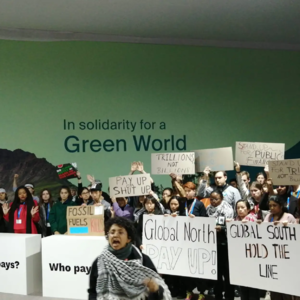
0And we begin in Azerbaijan. Saturday was a hectic and chaotic day at COP 29, the UN climate summit in the country which at times teetered on the brink of collapse. At one stage, dozens of representatives from small Pacific island nations threatened by rising sea levels walked out, disrupting the summit, which had already overrun by a day. Then came a final draft proposal aimed at resolving the bitter dispute between the richer and poorer countries over climate financing.
The COP 29 document pledged to raise support for underdeveloped countries to $300 billion a year. By 2035, those countries had demanded 500 billion, but late into the night they agreed to the lower figure. Before that, there was one smaller breakthrough, an agreement to establish a global market for buying and selling carbon credits.
Earlier on Saturday, the BBC's climate editor Justin Rolat caught up with some of the negotiators as they scuttled from room to room to try to get a sense of what was holding up a deal.
We're a day over the deadline for an agreement and the representatives of dozens of the world's least developed countries have just stormed out of a key meeting. Cedric Schuster of Samoa represents the world's small island states.
We've just walked out. We came here to this COP for a fair deal. We feel that we haven't been heard and there's a deal to be made and we have not been consulted.
There is real anger here. Mohammed Adao speaks for African nations, we need to hold the historic polluters accountable for the crisis they've caused. And we cannot let the great escape that they're actually planning in Baku. Baku will be remembered as a place that betrayed the world.
John, how's it going? Poor countries want more cash. Richer nations say they'll keep talking. John Podesta is the US's climate envoy.
I'm hoping this is the storm before the calm. Well, we're going to keep working and see whether we can pull it back together.
But cash is hard to come by in developed countries like the UK, which face cost of living crises.
They're saying half a trillion minimum or they won't do a deal. They're saying no deal is better than. Well, in the end, parties will have to decide the deal that is offered and whether it's an acceptable deal or not.
Currently developed countries pay $100 billion a year. Energy Secretary Ed Miliband says the new offer of 300 billion by 2035 is generous. Not when you take into account inflation, say poorer countries. Juan Carlos Gomez is the climate envoy for Panama.
This is what they always do. They break us at the last minute. You know, they push it and push it and push it until our negotiators leave, until we're tired, until we're delusional from not eating, from not sleeping.
And all the while the clock keeps on ticking.
更多听力内容见公众号【琐简英语】
