
Overcoming Negative Thought Patterns to Find Joy
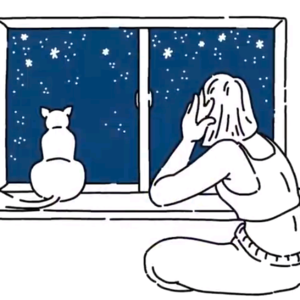
Very occasionally, we get a glimpse of what it might be like to be truly happy. Maybe it's late at night on a summer's evening; perhaps we've just recovered from an illness; we might have been deeply affected by a book or a piece of music and have gone on a walk on our own through the city or the countryside.
And suddenly, a hugely mysterious thought descends on us: what if we didn't always have to be as sad and as anxious as we usually are? What if we could more properly appreciate the beauty and the potential that lie all around us? What if we noticed the trees and the interesting faces of strangers?
What if we allowed ourselves to connect more deeply with people around us? What if we let go of our normal reserve and suspicion and fear? What if we surrendered to loving and to being loved? We intimate a possibility of joy on a vastly different scale to that which we ordinarily countenance.
The standard, somewhat exasperated arguments against any such moods go like this. We need to sober up. We're not shamans or visionaries; there are some fixed, grand and important reasons why life is fundamentally awful. We have to earn a living. Our partner is often scratchy. People are mean. There is the house to look after. But more existentially, this is a journey of suffering. We didn't get to where we are today by training our eyes on the upsides.
It all sounds sensible enough and surely on certain days, there is a great deal of logic here too. But what if the 'reality' we speak of doesn't fixedly ask anything as grim of us as we suppose? What if there are no genuine necessities that preclude higher levels of happiness; what if it was principally our own distorted psychology that gets in the way of a richer life?
Many of us did not grow up in an atmosphere where joy was rewarded or deemed possible for long. Our childish appetite for giggling soon died down. Our parents may have been extremely worried, or angry, or sad, and we quickly got the message that we needed to keep our heads down and prepare ourselves for long winters of emotional deprivation. We became good students of a downbeat mindset; we attached ourselves to a philosophy of sadness. We learnt to expect little. Not for us states of runaway ecstasy, nor possibilities of love, nor transports of delight at being on the planet.
Without necessarily noticing what happened and why, we developed into people who remain loyal to what was implicitly demanded of them in their early years; we are still in a mentality we were quietly coached for and had no alternative to aged seven or fourteen.
But what if there were, in our adulthood, at this stage in our lives, no ongoing reasons to keep holding onto sadness and worry with our customary energy? What if we could dare to become fundamentally different, more open to joy and able to bear hope? We might go into friendships expecting that they could become sources of satisfaction; we might pick partners who didn't reinforce our sense of isolation; we might set up our interactions with others so that they could succeed.
We might – in time – take on board one of the most shocking of all thoughts: what if we are not here to suffer? What if we could relocate our misery to where it belongs, a past we weren't able to choose, and aimed for something different going forward? What if we allowed ourselves to become more regular visitors to those still very unknown and understandably terrifying uplands of joy? We won't change this around in a day – or in a little film. But we might derive benefit from every spur we can get.
词汇表
get a glimpse of [ɡlɪmps] 瞥见,一睹,窥见
descend on [dɪˈsend] 降临,突然来到
reserve [rɪˈzɜː(r)v] 拘谨,矜持,内向
suspicion [sə'spɪʃ(ə)n] 怀疑,猜疑
surrender to [səˈrendə(r)] 完全投入,毫无保留地体验
intimate ['ɪntɪmət] 暗示,透露
vastly different [ˈvɑːs(t)li] 截然不同的
countenance ['kaʊntənəns] 接受,认可,赞同
exasperated [ɪɡˈzɑːspəˌreɪtɪd] 极厌烦的,被激怒的,恼怒的
sober up [ˈsəʊbə(r)] 清醒过来,冷静下来
shaman [ˈʃɑːmən] 巫师,萨满
visionary [ˈvɪʒən(ə)ri] 先知;有远见的人,梦想家
grand [ɡrænd] 重大的,宏大的
scratchy ['skrætʃi] 易怒的,让人感到不舒心的
existentially [ˌeɡzɪˈstenʃəli] 存在地,存在主义地
upside [ˈʌpsaɪd] 优点,好处,积极的方面
sensible ['sensəb(ə)l] 明智的,理智的,合理的
fixedly [ˈfɪksɪdli] 固定不变地,专注地
grim [ɡrɪm] 严厉的,冷酷的,可怕的
preclude [prɪˈkluːd] 妨碍,阻碍
principally ['prɪnsəp(ə)li] 主要地,大部分
distorted [dɪˈstɔːtɪd] 扭曲的;受到曲解的
get in the way 阻碍,妨碍
deem [diːm] 相信,认为,当成,
childish ['tʃaɪldɪʃ] 孩子的;孩子气的;
appetite [ˈæpətaɪt] 孩子的,稚嫩的;孩子气的
giggle ['ɡɪɡl] 傻笑,咯咯地笑
die down 减弱,渐熄
keep one's heads down 收敛自己,低调行事
emotional deprivation [ˌdeprɪˈveɪʃ(ə)n] 情感剥夺,情感缺失
🏫翻译、视频版和pdf见公众号【琐简英语】,回复"1"可进入【打卡交流群】

The School of Life|克服消极思维,拥抱快乐
4分钟 · 1812·
1812· 0
0
18120