
COY WIRE, CNN 10 ANCHOR: We start today with inflation, which looks to be going in the wrong direction, up, reaching its highest rate since June of last year.
Inflation, remember, is an increase in the price of goods and services. Inflation reached a peak of 9.1% in 2022. Those high prices came down some, but have stayed stubbornly high since then.
The latest data from the Consumer Price Index, or CPI, released by the Bureau of Labor Statistics shows inflation is reversing recent progress.
The CPI measures price changes across commonly purchased goods and services. Since December's report, consumer prices rose at their fastest pace since August of 2023, resulting in an annual inflation rate of 3% for the 12-month period that ended in January.
This all means many commonly purchased goods and services got more expensive in January, something economists were not expecting from the report this week, which was estimated to have barely any change from December's data. Instead, the January report came in blazing hot pretty much across the board. While inflation has slowed significantly since its 40-year peak in 2022, most of the categories measured saw increases last month, especially energy and food prices.
It's an unwelcome surprise at a time when Americans are growing tired of high costs of living and food prices, and uncertainty in the economy is building following the Trump administration's tariffs and other economic policies.
MATT EGAN, CNN REPORTER: It's really hard to find anything good here. This was a setback, a significant one, and one that we were not expecting. So the big number here is 3%. That's the annual inflation rate for January. That is the highest level since June. That was not expected to happen.
The monthly rate also ticked higher. That is not what you want. Digging in, core, which excludes food and energy, both those figures also went the wrong direction.
So why is this happening? Well, there's a number of different drivers here. Everything from hotels, airfare went higher. Eggs, egg prices were actually a significant part of this as well. We know the bird flu is a massive problem. There's an egg shortage.
So we saw that egg prices went up by 15% month over month. That is the most that we've seen on a monthly basis since June of 2015. And look at that on an annual basis, the last 12 months, 53% increase for egg prices. That is really very significant.
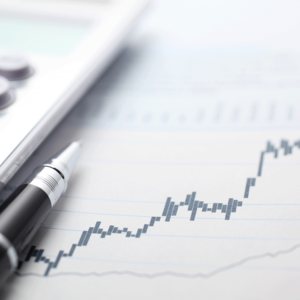
Now, when we look at the trend here for inflation, the problem is that the progress has really stalled out here. Right now, the goal is 2% inflation.
We are now at 3%. You see, there's been a lot of improvement from that inflation crisis of three years ago. We had 9% inflation. We're not there right now, thankfully.
But it is ticking higher, right? That is the exact wrong direction that you want to see.
WIRE: Have you ever heard of the Chumash people? An ancient civilization who for thousands of years have inhabited an area in Central California between Malibu and Paso Robles since way before European settlers arrived. And while many Chumash ways of life were lost over time, new generations are reviving some of the ancient traditions like cultivating native species of plants to use for their medicinal properties.
Our Julia Vargas Jones shows us how the Santa Ynez band of the Chumash are passing down the knowledge of their ancestors to the next generation.
JULIA VARGAS JONES, CNN CORRESPONDENT (voice-over): Under the shade of an old oak tree, a special group assembles to learn ancient wisdom.
LEVI ZAVALLA, COMMUNITY LANGUAGE TEACHER, SANTA YNEZ CHUMASH: So we're standing here under this beautiful oak tree. We call this Ku, and we're。standing in our medicinal garden.
Hello, everyone. My name is Levi Zavalla. I'm from Santa Ynez and the Samala clan, Samala Chumash.
JONES (voice-over): Levi Zavalla is responsible for passing along indigenous plant knowledge to his tribe.
ZAVALLA: We have all these medicinal plants, as you see behind you right over here. That is huapsh (ph). It's the stingy nettle. That's a really good medicinal plant. Right here, we have onchochin (ph) or yerba mansa. It almost looks like a carrot, right?
So check that out. Smell it. Look at it. That's really good for liver cleansing. And see, our ancestors knew all this. They had so much time to study this.
JONES (voice-over): The Chumash people settled in an untamed and undeveloped Santa Ynez Valley in Central California no less than 13,000 years ago.
DIEGO CORDERO, LEAD ENVIRONMENTAL TECHNICIAN, SANTA YNEZ CHUMASH ENVIRONMENTAL OFFICE: Hello. My name is Diego Cordero. I'm a Chumash person from Santa Barbara, and I work for the Santa Ynez Chumash Environmental Office.
📰字数限制, 完整文本见公众号【琐简英语】,回复"1"可进【打卡交流群】
CNN 10|Inflation update, indigenous movement
6分钟 · 216·
216· 0
0
2160