
The 4 greatest threats to the survival of humanity
TED-Ed • July 2022
So far, our species has survived 2,000 centuries, each with some extinction risk from natural causes— asteroid impacts, supervolcanoes, and the like. Assessing existential risk is an inherently uncertain business because usually when we try to figure out how likely something is, we check how often it's happened before. But the complete destruction of humanity has never happened before. While there's no perfect method to determine our risk from natural threats, experts estimate it's about 1 in 10,000 per century.
Nuclear weapons were our first addition to that baseline. While there are many risks associated with nuclear weapons, the existential risk comes from the possibility of a global nuclear war that leads to a nuclear winter, where soot from burning cities blocks out the sun for years, causing the crops that humanity depends on to fail.
We haven't had a nuclear war yet, but our track record is too short to tell if they're inherently unlikely or we've simply been lucky. We also can't say for sure whether a global nuclear war would cause a nuclear winter so severe it would pose an existential threat to humanity.
The next major addition to our existential risk was climate change. Like nuclear war, climate change could result in a lot of terrible scenarios that we should be working hard to avoid, but that would stop short of causing extinction or unrecoverable collapse. We expect a few degrees Celsius of warming, but can't yet completely rule out 6 or even 10 degrees, which would cause a calamity of possibly unprecedented proportions. Even in this worst-case scenario, it's not clear whether warming would pose a direct existential risk, but the disruption it would cause would likely make us more vulnerable to other existential risks.
The greatest risks may come from technologies that are still emerging. Take engineered pandemics. The biggest catastrophes in human history have been from pandemics. And biotechnology is enabling us to modify and create germs that could be much more deadly than naturally occurring ones. Such germs could cause pandemics through biowarfare and research accidents.
Decreased costs of genome sequencing and modification, along with increased availability of potentially dangerous information like the published genomes of deadly viruses, also increase the number of people and groups who could potentially create such pathogens.
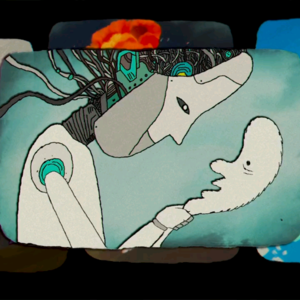
Another concern is unaligned AI. Most AI researchers think this will be the century where we develop artificial intelligence that surpasses human abilities across the board. If we cede this advantage, we place our future in the hands of the systems we create. Even if created solely with humanity's best interests in mind, superintelligent AI could pose an existential risk if it isn't perfectly aligned with human values— a task scientists are finding extremely difficult.
Based on what we know at this point, some experts estimate the anthropogenic existential risk is more than 100 times higher than the background rate of natural risk. But these odds depend heavily on human choices. Whether humanity fulfils its potential— or not— is in our hands.
词汇表
extinction risk [ɪkˈstɪŋkʃn] 灭绝风险
asteroid impact [ˈæstərɔɪd ˈɪmpækt] 小行星撞击
supervolcano [ˌsuːpə(r)vɒlˈkeɪnəʊ] 超级火山(爆发)
existential risk [ˌeɡzɪˈstenʃ(ə)l] 生存风险
inherently [ɪnˈhɪərəntli] 本质上,内在地
nuclear weapon [ˈnjuːkliə(r) ˈwepən] 核武器
baseline [ˈbeɪslaɪn] 基准,基线
nuclear war [ˈnjuːkliə(r)] 核战争
nuclear winter 核冬季(科学家假设的在巨大核爆炸后一段寒冷黑暗、生物灭绝的时期)
soot [sʊt] 煤烟,烟灰
track record [ˈtræk] 过去的记录;业绩记录
pose a threat [pəʊz] 构成威胁
scenario [sɪˈnɑːriəʊ] 设想,可能的局面,情景
stop short of 差一点,未到达,并未
unrecoverable collapse [ˌʌnrɪˈkʌvərəbl kəˈlæps] 无法恢复的崩溃
rule out 排除…的可能性,不考虑
calamity [kəˈlæməti] 灾难,灾祸
unprecedented proportion [ʌnˈpresɪdentɪd prəˈpɔː(r)ʃn] 前所未有的程度
engineered pandemic [ˌendʒɪˈnɪəd pænˈdemɪk] 人造流行病,人工合成的流行病
catastrophe [kəˈtæstrəfi] 大灾难,灾祸
biotechnology [ˌbaɪəʊtekˈnɒlədʒi] 生物技术
modify [ˈmɒdɪfaɪ] 修改,更改,改进
germ [dʒɜː(r)m] 微生物,病菌,细菌
biowarfare [ˌbaɪəʊˈwɔː(r)feə(r)] 生物战,生化战
genome sequencing and modification [ˈdʒiːnəʊm ˈsiːkwənsɪŋ ˌmɒdɪfɪˈkeɪʃn] 基因组测序和修改
availability [əˌveɪləˈbɪləti] 可获得性,可利用性,可用性
pathogen [ˈpæθədʒən] 病原体,致病菌
unaligned [ˌʌnəˈlaɪnd] 不受规范的;未对齐的;不结盟的
cede [siːd] 让给,放弃;割让
solely [ˈsəʊlli] 仅仅,唯独,只
superintelligent AI [ˌsuːpərɪnˈtelɪdʒənt] 超级智能的人工智能
be aligned with [əˈlaɪnd] 与…保持一致,与…相符合
anthropogenic [ˌænθrəpə'dʒnɪk] 人为的,人类活动引起的
background rate 本底率,背景率(是指在没有特定影响因素自然发生的比率)
odd [ɒd] 几率,可能性
fulfil its potential [pə'tenʃ(ə)l] 发挥其潜能
in one's hands 在某人的掌控中,由某人负责
🎬翻译、视频和pdf见公众号【琐简英语】,回复"1" 可加入【打卡交流群】
TED-Ed|人类生存的四大危机
4分钟 · 1612·
1612· 0
0
16120